Red Fort Lal Qila: The Ultimate Guide to Delhi's Historic Heart
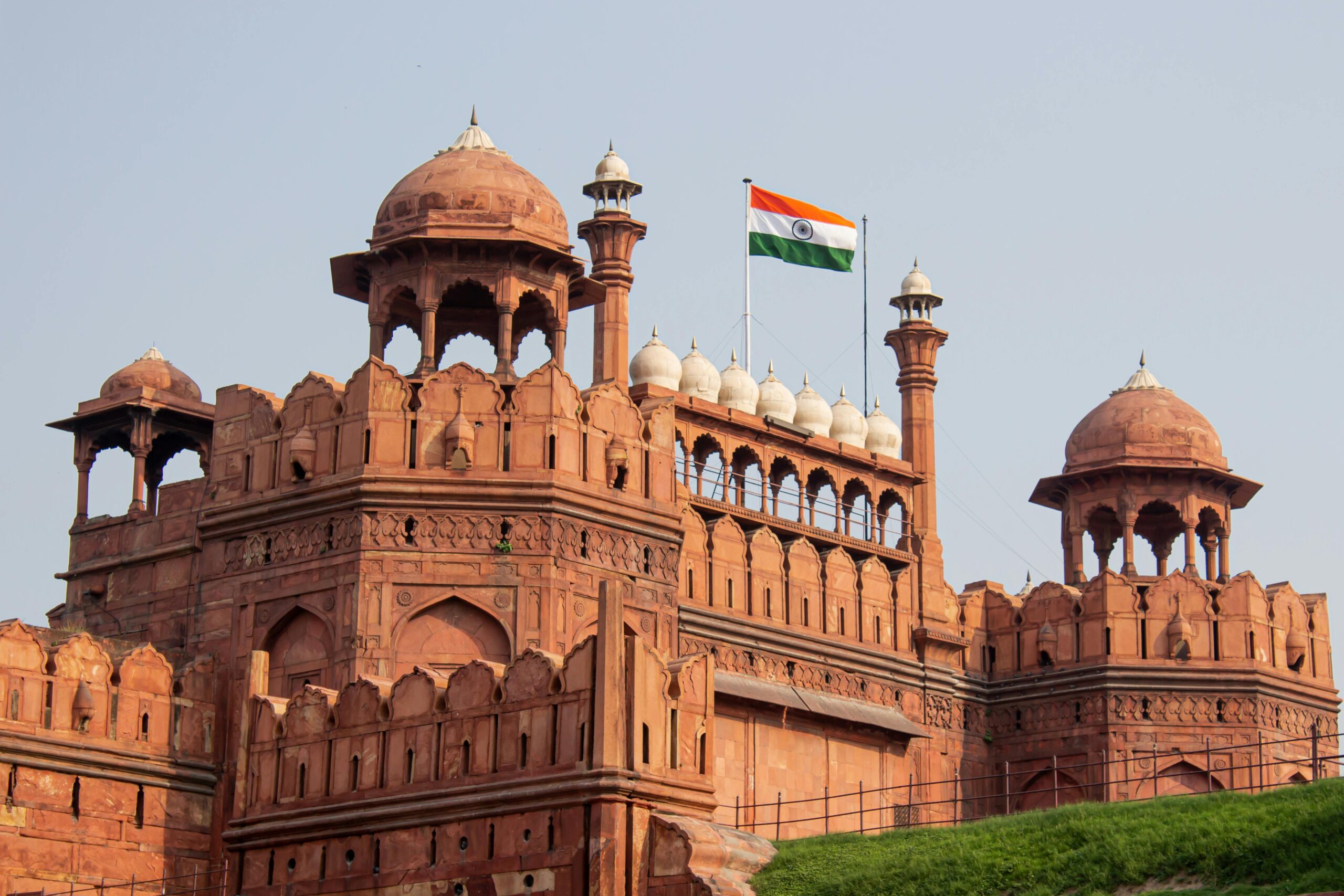
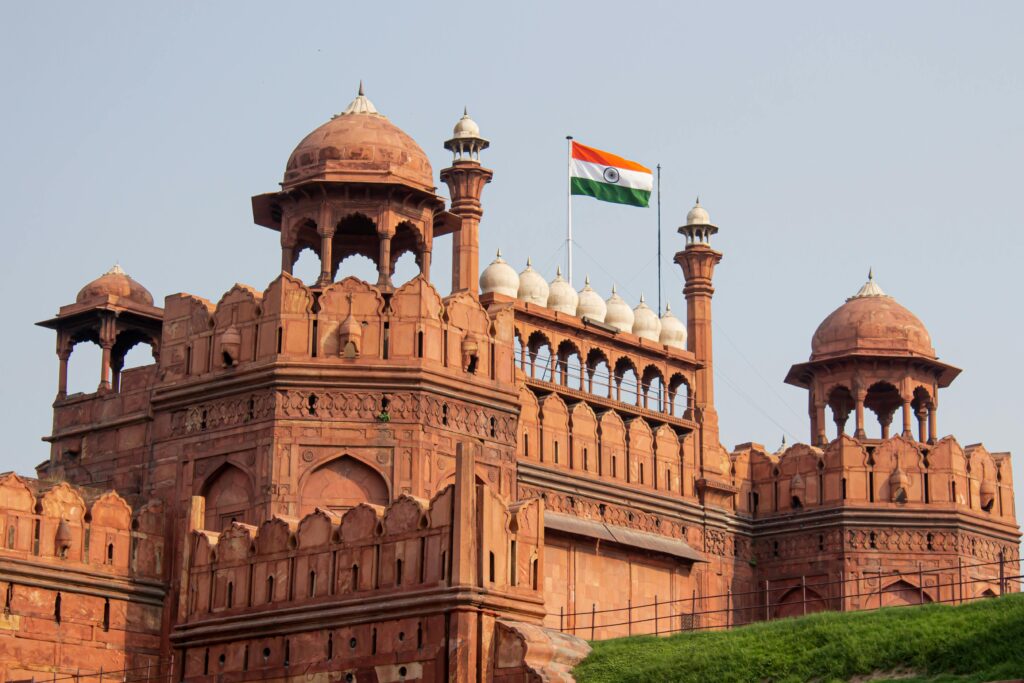
Red Fort History: The Golden Era, The Plunder, and FreedomThe old quarters of Delhi possess a chaotic charm that is hard to find anywhere else in the world. Amidst the narrow, buzzing lanes of Chandni Chowk, the scent of fresh paranthas, and the constant hum of rickshaws, stands a massive structure wrapped in deep red sandstone. This is the red fort lal qila. It is not just a historic monument made of stone and mortar; it is the solid heart of India’s capital. It stands as a silent witness to the rise and collapse of the Mughal Empire, the cruelty of colonial rule, and the proud dawn of a free nation.
For anyone planning to explore Delhi, lWho Built Red Fort Lal Qila? Unveiling the Mastermindal qila delhi is an absolute priority. However, to truly appreciate its vast spaces, you need more than a superficial glance. You need to look deep into its walls, understand the stories behind its massive gates, and walk through the same marble halls where emperors once decided the fate of millions.Red Fort History: The Golden Era, The Plunder, and FreedomRed Fort History: The Golden Era, The Plunder, and Freedom
Who Built Red Fort Lal Qila? Unveiling the Mastermind
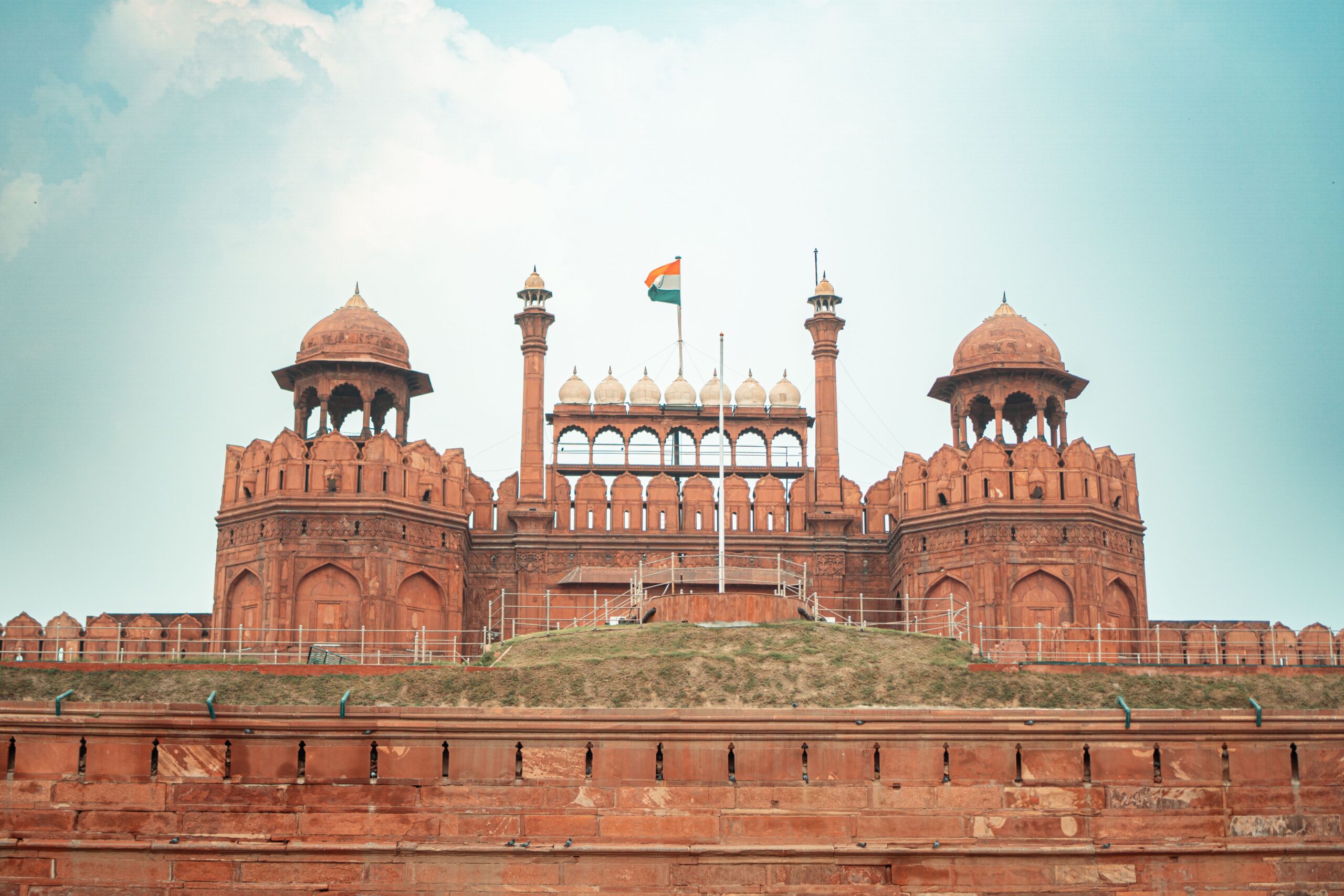
Who built red fort lal qila? The Red Fort (delhi ka lal kila) was built by the fifth Mughal Emperor, Shah Jahan, between the years 1638 and 1648. He commissioned the massive fortress when he decided to shift the imperial Mughal capital from Agra to Delhi. The chief architect behind this architectural masterpiece was Ustad Ahmad Lahori, the same creative genius who designed the Taj Mahal.
Before this monumental shift, the Mughal capital was anchored at the fort of agra. Shah Jahan was an emperor obsessed with grand architecture, symmetry, and luxury. As his court grew in size, wealth, and ambition, he felt that the Agra Fort lacked the expansive space and structural grandeur required for his imperial vision. He wanted a city that reflected his absolute power. Thus, he decided to shift the entire capital to a newly built, walled city in Delhi, which he proudly named Shahjahanabad.
The construction began under the brilliant supervision of Ustad Ahmad Lahori. The process was neither quick nor cheap. It took exactly ten years of continuous, grueling labor to complete the grand palace citadel. Millions of heavy red sandstone blocks were quarried from the hills of Rajasthan and transported to the banks of the Yamuna River, where the fort was slowly taking shape.
When the heavy wooden doors of lal qila india finally opened in 1648, it was widely considered the most luxurious palace in the world, costing an absolute fortune of that era. Shah Jahan designed it as a literal physical representation of paradise on Earth, seamlessly merging Persian design principles with traditional Hindu and Timurid craftsmanship.
Red Fort History: The Golden Era, The Plunder, and Freedom
To simply view this structure as a beautiful building is to miss its true essence. The red fort history is a complex, bloody, and glorious timeline. These red walls have seen unmatched wealth, devastating invasions, tragic betrayals, and ultimate freedom.
The Era of Imperial Splendor (1648–1739)
For the first century of its existence, the fort was the absolute, undisputed center of power in South Asia. Inside these towering walls lived thousands of people—royalty, noblemen, harem attendants, royal guards, and world-class artisans. The interior was a display of unimaginable wealth that amazed foreign travelers. Silk carpets covered the stone floors, ceilings were made of solid silver, and a continuous stream of fresh water called the Nahar-i-Bihisht (Stream of Paradise) ran directly through the center of the royal palaces to keep them cool during Delhi’s harsh summers. The emperors sat on thrones covered in diamonds and rubbed shoulders with ambassadors from Europe and Persia.
The Catastrophic Invasion of Nadir Shah (1739)
The golden age, however, did not last forever. As the Mughal Empire grew weak and fractured in the 18th century, foreign invaders noticed the unprotected wealth of Delhi. In 1739, the fierce Persian Emperor Nadir Shah marched into Delhi, easily defeated the weakened Mughal forces, and breached the defenses of red fort delhi. What followed was a brutal massacre of Delhi’s citizens and a systematic, ruthless looting of the fort. Nadir Shah stripped the palace of its treasures. He took the legendary gold and jewel-encrusted Peacock Throne from the Diwan-i-Khas and pried away the world-famous Koh-i-Noor diamond. The fort was left physically defaced and financially broken.
The Forgotten Eras: Marathas and Afghans
After the Persian retreat, the fort became a volatile political playground. It was repeatedly attacked, held, and repaired by various factions, including the Marathas and the Afghans. For a significant period, the Maratha Empire held actual control over Delhi and the fort. They even melted down the remaining silver ceilings of the Diwan-i-Khas to raise immediate funds for battles against incoming Afghan invaders. This is a turbulent chapter often compressed in standard guidebooks, but it highlights how the fort remained the ultimate prize for anyone who wanted to claim rule over India.
The British Infiltration & The Revolt of 1857
By the mid-19th century, the British East India Company had stripped the Mughal Emperor of real power, turning him into a mere pensioner living inside a decaying palace. However, in 1857, Indian soldiers violently revolted against British rule in Meerut and marched straight to delhi lal kila. They declared the elderly Bahadur Shah Zafar as their leader, turning the ancient fort into the rebel headquarters.
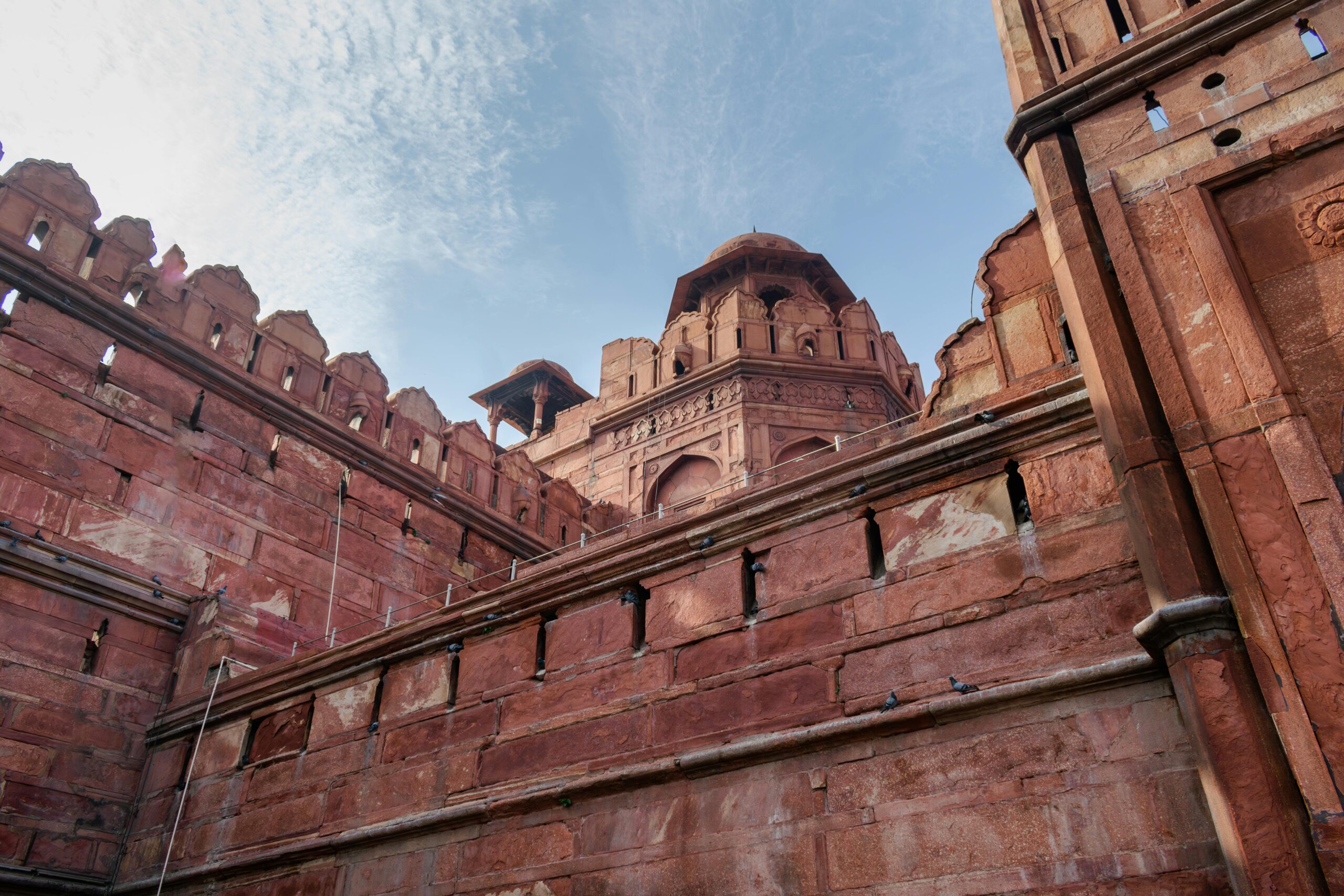
When the British forces eventually crushed the rebellion, their revenge on the fort was devastating and calculated. They captured Bahadur Shah Zafar, exiled him to Rangoon, and permanently ended the Mughal dynasty. To show their absolute military dominance, the British army destroyed more than 60% of the interior palaces, beautiful pavilions, and classic geometric gardens. They built ugly, hyper-functional red-brick military barracks right in the middle of the classic Mughal courtyards, turning a delicate palace into a stark, unforgiving military base.
The Historic INA Trials
A lesser-known but highly critical turning point occurred inside red fort delhi during World War II. The British colonial government decided to court-martial three top officers of Netaji Subhas Chandra Bose’s Indian National Army (INA)—Colonel Prem Sahgal, Colonel Gurbaksh Singh Dhillon, and Major General Shah Nawaz Khan. These historic INA Trials were held right inside the British barracks of the Red Fort. Instead of frightening the Indian public, the trials united the entire country across religious lines against British rule, sparking massive protests that accelerated the departure of the colonial government.
The Dawn of Independence: August 15, 1947
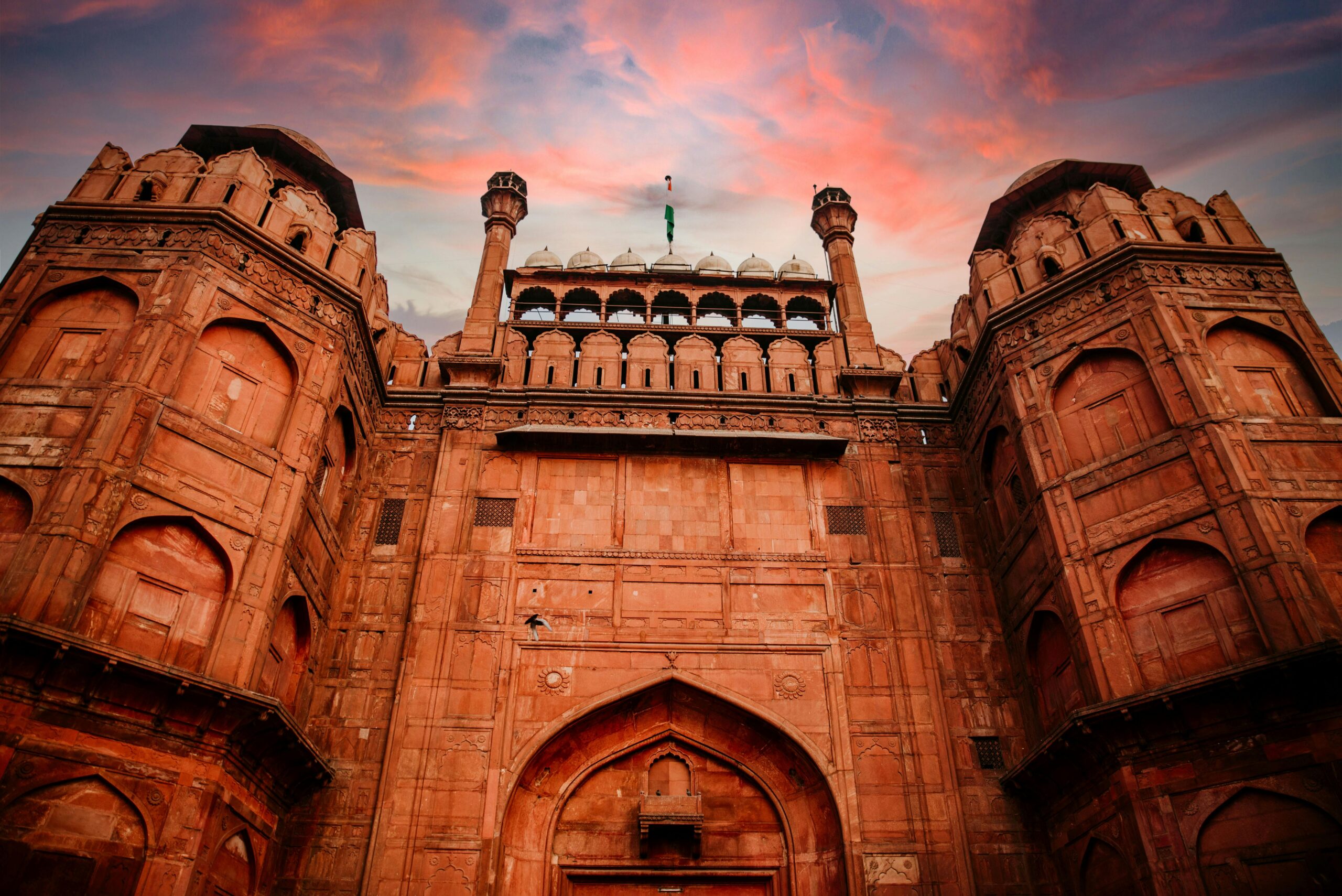
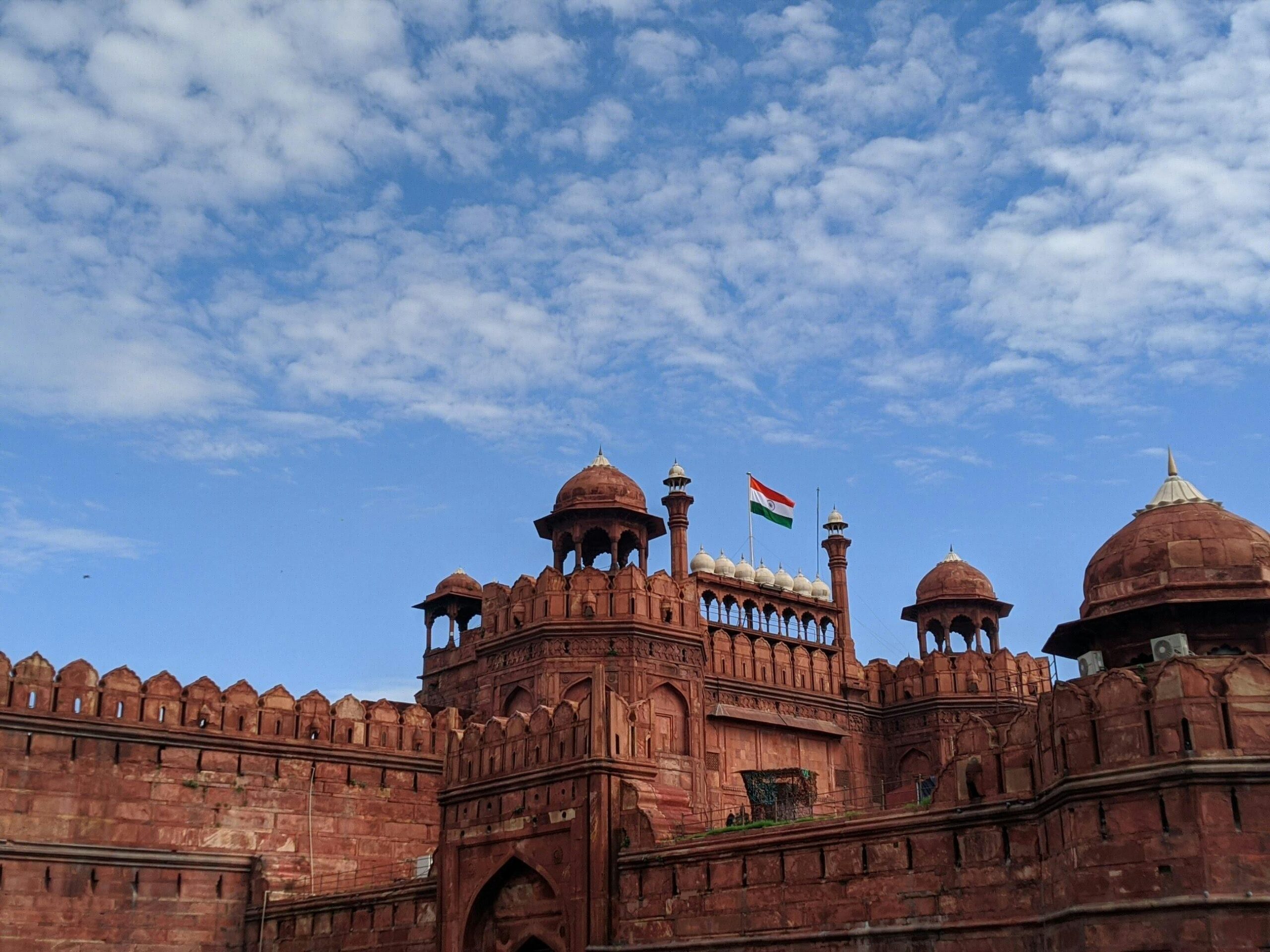
The political meaning and aura of the fort completely flipped on August 15, 1947. India was finally a free country. The first Prime Minister, Jawaharlal Nehru, stood on the high ramparts above the Lahori Gate of red fort india, hoisted the independent tricolor flag, and delivered his historic speech to a massive, emotional crowd. This single moment washed away the pain of colonial occupation. The fort was no longer a symbol of foreign oppression or imperial isolation; it became the ultimate, beating heart of Indian democracy. Even today, every single year on Independence Day, the sitting Prime Minister continues this tradition by addressing the entire nation from the very same spot.
Inside Red Fort Delhi: A Complete Walkthrough of Architectural Wonders
When you step inside the red fort delhi, you are not just entering a standard tourist spot; you are stepping into a massive, meticulously planned royal layout. Let us walk through every single major structure sequentially, exploring the exact purpose and design of each historic section.
1. The Gateway Icons: Lahori Gate and Delhi Gate
The fort features two main public gates. The primary entrance used by millions of visitors today is the Lahori Gate, named simply because it points directly toward the city of Lahore. It is flanked by heavy octagonal stone towers and topped with beautiful open-air pavilions (chhatris). The second gate is the Delhi Gate, located on the southern defensive wall. It is identical in design but features two large stone elephants standing guard at the entrance, reflecting classic Indian design influences.
2. Chattha Chowk (The Vaulted Bazaar)
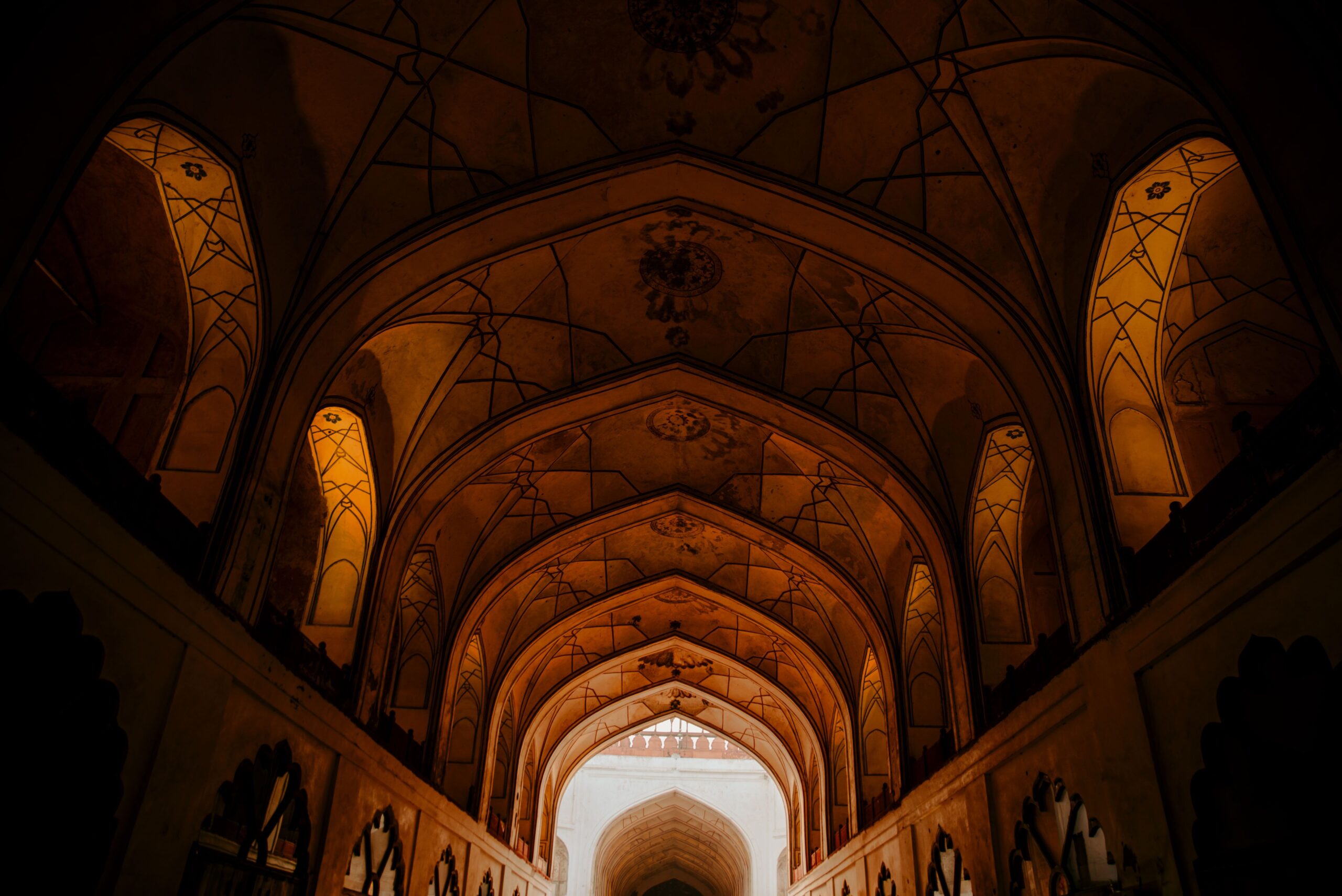
Once you step through the heavy security of the Lahori Gate, you immediately find yourself inside the famous Chattha Chowk, which translates to ‘Covered Bazaar’. This is a long, double-story arcade covered by a beautiful vaulted roof. During Shah Jahan’s time, this was an ultra-luxury, exclusive market where the empire’s best merchants sold fine silks, brocades, gold jewelry, rare perfumes, and precious stones strictly to the royal family. Today, it remains a lively market arcade where local vendors sell traditional Indian handicrafts, embroidered textiles, and souvenirs.
3. Naubat Khana (The Drum House)
At the end of the covered bazaar sits the Naubat Khana, or the House of Music. This was the formal entrance to the inner, private palace grounds. Royal musicians sat on the upper floor of this gateway, playing drums, horns, and oboes at specific hours of the day or to officially announce the arrival of the emperor and foreign dignitaries. Everyone, except the emperor and royal princes, had to get off their horses or elephants at this exact point and walk into the palace grounds on foot out of sheer respect.
4. Diwan-i-Aam (The Hall of Public Audience)
Past the music house lies a massive open courtyard that leads directly to the Diwan-i-Aam. This is a grand, wide-open hall built of heavy red sandstone, supported by 60 pillars that curve into beautiful flat arches. In the center of the back wall stands an elevated, highly ornate marble canopy, known as the Jharokha.
The emperor sat on this raised marble balcony, which was decorated with delicate panels of imported European Pietra Dura art depicting Orpheus playing music. Below the balcony sat the prime minister on a marble bench. Ordinary citizens, travelers, and soldiers stood in the vast courtyard to present their daily problems, complaints, and legal cases directly to the emperor for immediate judgment.
5. Diwan-i-Khas (The Hall of Private Audience)
If the Diwan-i-Aam was for the public, the Diwan-i-Khas was the inner sanctum of ultimate power. Constructed entirely out of gleaming, pure white marble, this pavilion was where the emperor met his inner cabinet, top military generals, and visiting foreign ambassadors. The smooth pillars here are heavily decorated with intricate floral patterns made from precious stones like jade, onyx, and lapis lazuli embedded directly into the marble.
This specific hall was the original home of the stolen solid-gold Peacock Throne. The sheer, overwhelming beauty of this structure inspired the architects to carve the famous Persian lines into its walls: “Gar Fardaus bar-ru-ye zamin ast, hamin ast o hamin ast o hamin ast” (If there is a paradise on earth, it is this, it is this, it is this).
6. The Stream of Paradise: Nahar-i-Bihisht
Running directly through the marble floors of the private pavilions was the Nahar-i-Bihisht. Water was lifted from the adjacent Yamuna River using heavy, ox-driven pulley systems and fed into this continuous stone channel. It ran right through the center of the buildings, creating a genius, natural air-conditioning system. It fed ornamental fountains, deep marble basins, and palace gardens, keeping the air cool and constantly full of the relaxing sound of moving water.
7. Rang Mahal and Khas Mahal
The Rang Mahal (Palace of Colors) served as the luxurious main residence for the emperor’s wives and high-ranking female attendants. It featured a large marble pool shaped exactly like a lotus flower in the center, and its ceilings were famously covered with tiny, hand-cut mirrors that caught the light of evening candles, creating a soft, starry glow. Right next to it is the Khas Mahal, which served as the emperor’s personal suite. It contained his private prayer room, sleeping chambers (Khwabgah), and a projecting balcony where he would show himself to the public gathered by the riverbank every single morning.
8. Mumtaz Mahal & The Museums
The Mumtaz Mahal was another beautiful palace dedicated to the royal women. Today, it has been carefully converted by the government into the Red Fort Archaeological Museum. Inside, visitors can view highly authentic artifacts from the Mughal era, including heavy iron swords, intricate daggers, old royal clothes, hand-written miniature manuscripts, and delicate Chinese porcelain used at the emperor’s dining table.
9. Moti Masjid (The Pearl Mosque)
Tucked quietly behind the private royal quarters is the Moti Masjid, a small, incredibly elegant mosque made entirely of white marble. Interestingly, it was not built by Shah Jahan. It was added later by his son, Emperor Aurangzeb, in 1659 as his strict, personal prayer space. The mosque features three smooth, bulbous domes and a small private courtyard. Its clean white lines stand out sharply against the heavy red sandstone structures surrounding it.
Practical Insider Tips: Things You Must Know Before Visiting
Reading about about red fort online is one thing, but actually navigating the massive crowds, security, and touts in Old Delhi is a completely different challenge. As someone who knows the reality of the ground, here are the crucial insider tips you need to ensure a smooth visit:
The Strict Security & Cloakroom Reality: Security at the Lahori Gate is comparable to an airport. Do not bring large backpacks, laptops, power banks, tripods, or external food into the complex. They are strictly banned. If you carry them, you will be forced out of the security line and told to deposit them at the official cloakroom near the red fort ticket counter. This will easily waste 45 minutes of your day. Travel light with just your phone, wallet, and a water bottle.
Beware of the Fake Guides: The moment you step near the ticket area, you will be swarmed by unofficial guides quoting ridiculous prices (upwards of ₹1000). Politely but firmly ignore them. If you want historical context, either hire a verified ASI-approved guide (they wear official lanyards with ID cards) or rent the highly affordable government audio guide available right after you pass the Chattha Chowk.
The Hydration Strategy: The fort complex is spread across 254 acres. You are going to be walking for kilometers under the open Delhi sky. During the months of April to July, the heat radiating off the red sandstone is intense. Wear comfortable sneakers, apply sunscreen, and bring a reusable water bottle. There are filtered water stations available inside to refill it.
Beat the Crowd: If you want to take clean red fort photos without hundreds of people walking into your frame, you must arrive exactly when the gates open at 7:00 AM. By 10:30 AM, massive tourist buses arrive, and the quiet magic of the fort completely disappears.
Red Fort Lal Qila Ticket Price & Timings Today
🎯 Quick Answer (Featured Snippet)
What is the ticket price and timing for Red Fort Delhi? The red fort ticket price for Indian citizens is ₹50 at the offline counter and ₹35 if booked online. For foreign nationals, it costs ₹550 offline and ₹500 online. Children under 15 enter for free. The red fort delhi timings are from 7:00 AM to 5:30 PM. Remember, the fort is closed every Monday for maintenance.
To make your entry completely frictionless, understand the exact pricing structure:
| Nationality Category | Offline Counter Ticket | Online ASI Portal Ticket |
| Indian Citizens | ₹50 | ₹35 |
| SAARC & BIMSTEC Citizens | ₹50 | ₹35 |
| Foreign Tourists | ₹550 | ₹500 |
| Children (Below 15 Years) | Free | Free |
Smart Travel Hack to Skip the Line: The physical red fort ticket counter is notorious for its chaotic, slow-moving queues. Do not stand in that line. Right outside the gate, there are large ASI standees with QR codes. Scan the code with your phone, pay via UPI or card, and you instantly get a digital ticket. Not only do you skip a massive line, but the digital ticket is actually cheaper than the physical one!
How to Reach: Lal Qila Nearest Metro Station
🎯 Quick Answer
Which is the nearest metro station to Red Fort? The absolute nearest metro station to red fort is the Lal Quila Metro Station located on the Violet Line. It drops you right outside the fort, requiring just a 2-minute walk to the entrance. Alternatively, you can use the Chandni Chowk Metro Station on the Yellow Line, which is a 10-minute walk away.
Navigating the roads of Old Delhi in a private taxi or car is a nightmare due to extreme traffic congestion and zero parking space. The Delhi Metro is your best friend here.
Via the Violet Line: Take the train and step off at the lal quila metro station. Use the heritage exit gate, and the moment you step up to the street level, the massive walls of the fort are staring right at you. You just have to cross a small plaza to reach the ticket scanning area.
Via the Yellow Line: If you are coming from South Delhi or Gurugram, take the Yellow Line to the Chandni Chowk station. Exit towards the main market road. From here, you can enjoy a highly energetic 10-minute walk through the market, or hire an electric rickshaw for a quick ₹20 ride directly to the fort’s gate.
Nearby Attractions to Combine with Your Delhi Visit
A thorough exploration of the fort will take you roughly two to three hours. Since you are already in the heart of the historic district, you should absolutely combine your trip with these iconic, nearby locations:
Delhi Jama Masjid: Located just a short 10-minute walk across the busy Netaji Subhash Marg, the delhi jama masjid is India’s largest mosque. It was also commissioned by Emperor Shah Jahan. Pay the small fee to climb the southern minaret; the panoramic view looking back over the Red Fort and the dense grid of Old Delhi is breathtaking.
Chandni Chowk Food Walk: Right opposite the Lahori Gate lies one of Asia’s oldest and busiest markets. Dive into the narrow lanes to experience authentic street food. Eat crispy, deep-fried flatbreads at Paranthe Wali Gali, try the massive, syrupy sweets at historic jalebi stalls, and explore the spice markets of Khari Baoli.
Humayun’s Tomb: If the Red Fort sparked your love for Mughal architecture, catch a 20-minute cab ride down to humayun tomb delhi. This beautifully preserved garden tomb was the architectural predecessor to the Taj Mahal and offers a much quieter, greener experience compared to the chaotic energy of Old Delhi.
F.A.Q.
The Red Fort is open from Tuesday to Sunday between 7:00 AM and 5:30 PM. Please note that the entire complex is strictly closed to the public every Monday for structural cleaning and ground maintenance.
The Red Fort is centrally located on Netaji Subhash Marg in Chandni Chowk, Old Delhi, India.
Before Shah Jahan built the Red Fort in Delhi, his grandfather, Emperor Akbar, was the one who built agra fort (also known as the fort of agra) in 1565 using red sandstone. Shah Jahan later added white marble structures inside it.
Yes, standard mobile photography and DSLR cameras are completely free and allowed inside the complex. However, if you are bringing a professional video rig, heavy tripods, or planning a commercial shoot, you must obtain prior written permission and pay a specialized fee to the Archaeological Survey of India. Drones are strictly banned.
Given its massive 254-acre size and the multiple historic pavilions and museums inside the barracks, a comfortable, unhurried visit will require at least 2.5 to 3 hours.
Recent Post
-
 Kailasa Temple Ellora: History, Mystery & Visitor Guide
 -
 The Ultimate Brihadeshwara Temple Guide: Thanjavur Big Temple History, Architecture, Shrines & Secrets
 -
 Red Fort Lal Qila: The Ultimate Guide to Delhi's Historic Heart
 -
 Kamakhya Temple Guide: History, Festivals,& Booking Tips
 -
 Manikaran Sahib Himachal Pradesh:
 -
 Ratneshwar Mahadev Temple Varanasi
 -
Kashi Varanasi Travel Guide
-
Kaal Bhairav Temple History & Origin
-
 Golden Temple Amritsar 2025 – History, Sunrise Tips, Langar & Festivals
 -
Jaipur, The Pink City: A Heartfelt Journey into Rajasthan’s Royal Gem