Kailasa Temple Ellora: The Ultimate Complete Guide to India's Most Mysterious Ancient Monument
Introduction: Discover the Architectural Marvel of Kailasa Temple
When you stand before Kailasa Temple at Ellora, one question inevitably echoes through your mind: how did ancient artisans carve this colossal structure from a single mountain without modern machinery? This isn’t just any temple in Aurangabad—it’s one of India’s greatest architectural mysteries, a UNESCO World Heritage Site that continues to baffle historians, architects, and travelers alike.
Kailasa Temple Ellora represents something extraordinary: a 8th-century testament to human determination, artistic brilliance, and spiritual devotion. While millions of people search for “Kailasa Temple Ellora” every year, few truly understand the depth of its history, the engineering marvel it represents, or the countless legends woven into its stone walls. This comprehensive guide will take you beyond the surface, into the heart of this magnificent monument.
Whether you’re planning a visit from Aurangabad, curious about which dynasty built this incredible structure, or simply fascinated by ancient Indian temple architecture, you’ll find everything you need here. From detailed visitor information to the archaeological mysteries that continue to intrigue scholars worldwide, let’s explore the Kailasa Temple Ellora experience together.
What is Kailasa Temple Ellora? Understanding the Monument
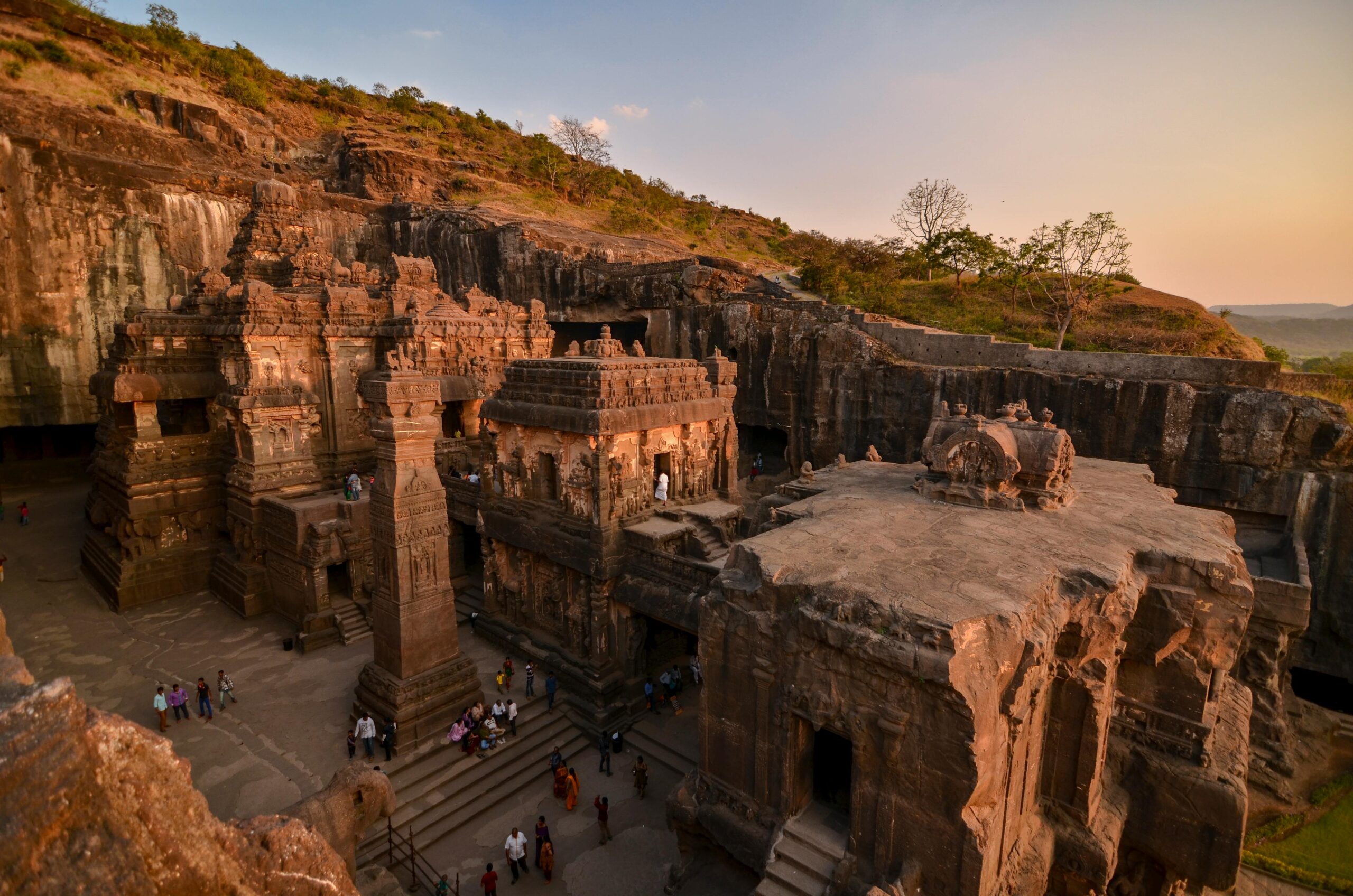
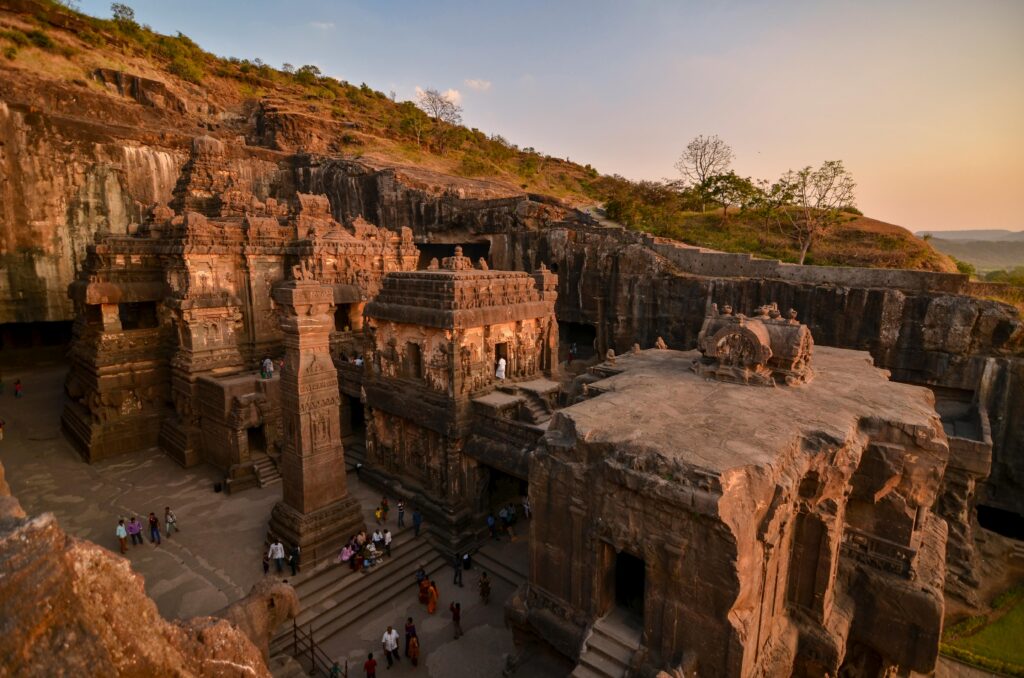
“Kailasa Temple Ellora” isn’t just another ancient religious structure—it’s arguably the world’s largest monolithic sculpture, carved entirely from a single piece of volcanic rock. Located at Ellora Caves (also known as Verul Leni), approximately 30 kilometers from Aurangabad in Maharashtra, India, this temple stands as perhaps the most ambitious architectural project of medieval India.
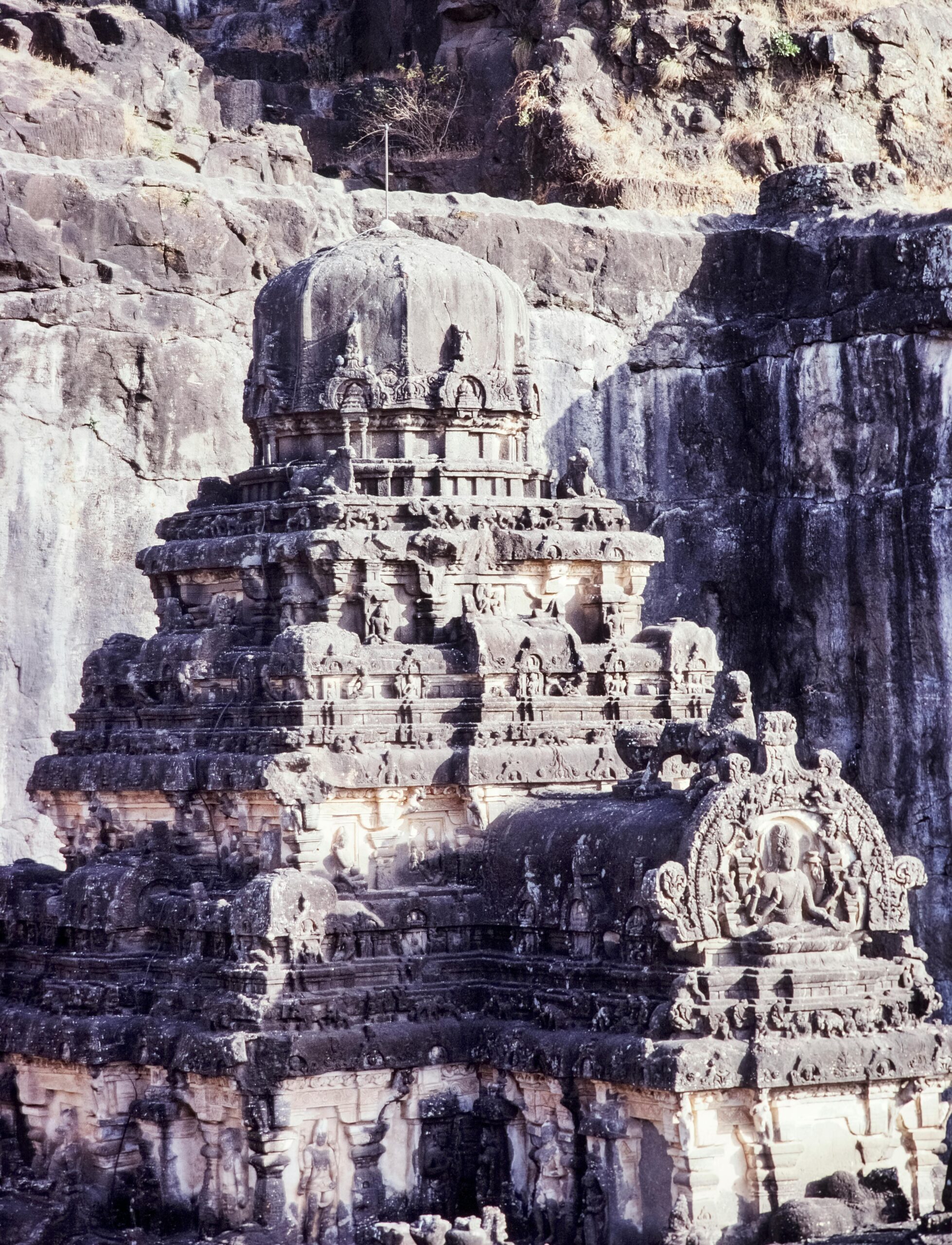
Unlike most temples that are constructed by stacking stones and materials together, Kailasa Temple was carved downward and outward from the basalt mountain. Think about that for a moment: artisans didn’t build this temple upward; they sculpted it by removing approximately 200,000 tons of stone from the mountainside. This subtractive carving technique required not just artistic skill but extraordinary spatial visualization and engineering knowledge.
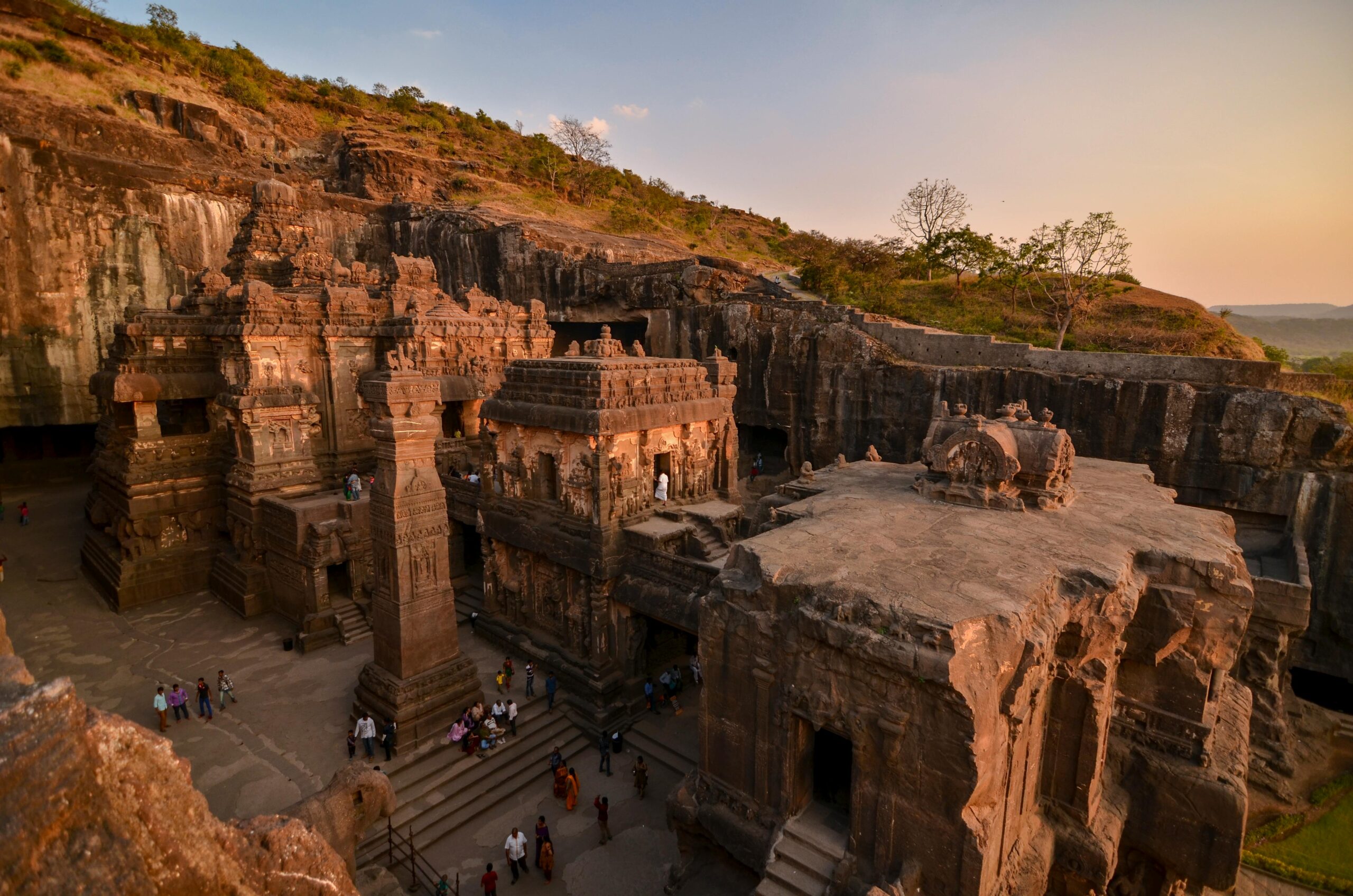
The temple’s name—Kailasa—refers to Mount Kailash in the Himalayas, which in Hindu mythology is the abode of Lord Shiva. The temple’s design mirrors the cosmological representation of this sacred mountain, complete with its own sculptural depictions of gods, goddesses, and mythological scenes. Standing approximately 56 meters high (about 180 feet), with a ground footprint of roughly 109 meters by 106 meters, Kailasa Temple Ellora would dwarf most modern five-story buildings.
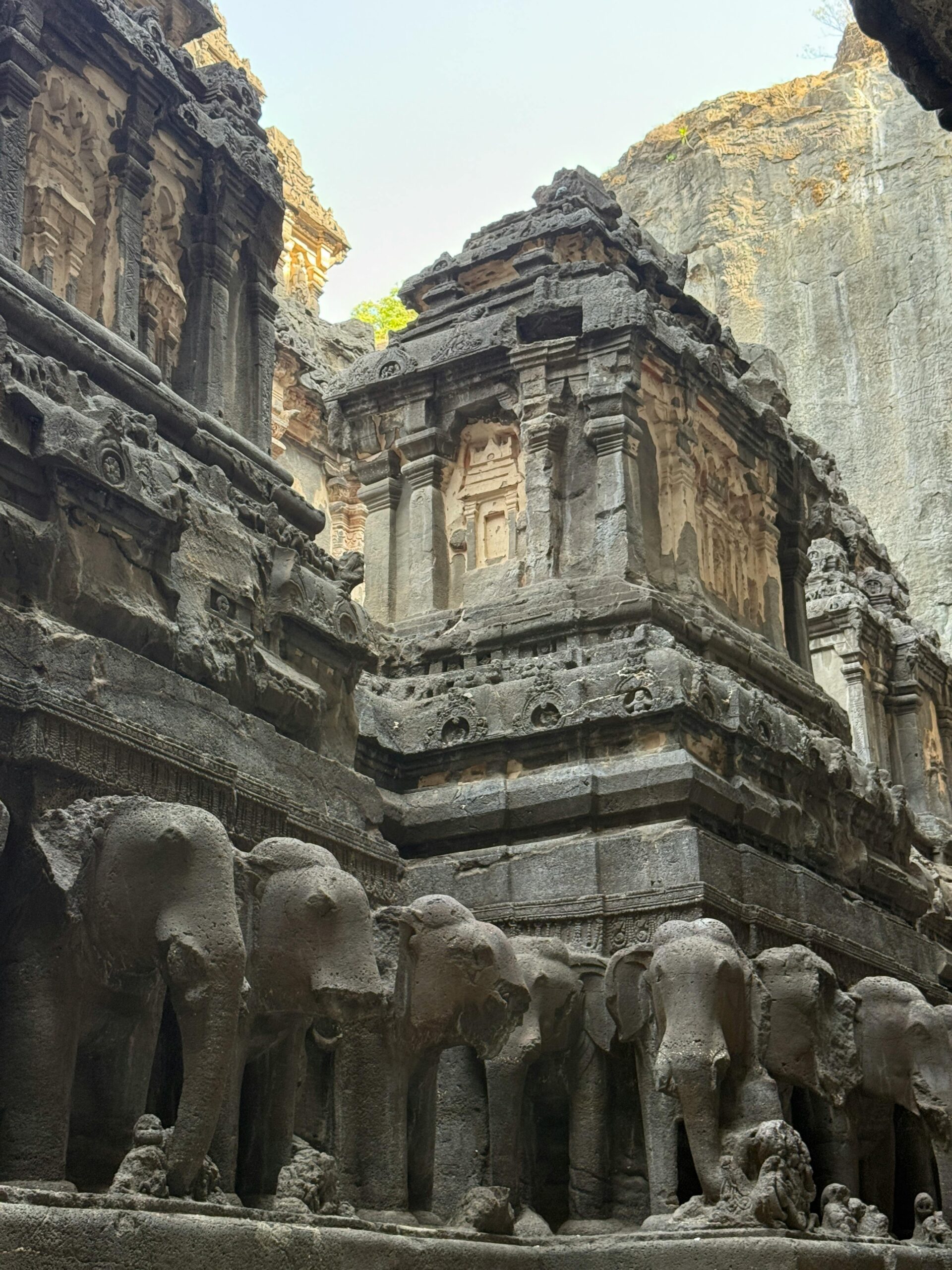
What makes Kailasa Temple Ellora even more remarkable is the precision with which it was carved. Every detail—from the intricate stone pillars to the delicate sculptures adorning the walls—was executed with meticulous care. The entire structure includes a sanctum sanctorum, multiple courtyards, ornate pillars, and detailed sculptural panels depicting various scenes from Hindu epics and mythology. No mortar, no joints, no welding—just pure sculptural genius.
Which Dynasty Built Kailash Temple at Ellora? The Rashtrakuta Legacy
“This is perhaps the most asked question about Kailasa Temple Ellora”, and the answer illuminates a fascinating chapter of Indian history.
The Rashtrakuta Dynasty: Builders of Kailasa
Kailasa Temple was built during the **Rashtrakuta Era**, specifically under the patronage of **King Krishna I** (who ruled approximately 756-774 CE). This was a pivotal moment in Indian history when the Rashtrakuta Empire stood as one of the three major imperial powers in India, competing with the Pala Empire in the east and the Chola Empire in the south.
The Rashtrakuta Dynasty originated from the Deccan region and gradually expanded their empire to control vast territories across central and southern India. They were known for their patronage of arts, architecture, and culture—and Kailasa Temple stands as the supreme example of their architectural ambition. King Krishna I inherited the throne during a period of relative peace and prosperity, which allowed him to pursue this monumental project.
Historians believe construction on Kailasa Temple began around 760 CE and continued for several decades, possibly extending beyond Krishna I’s reign. Some scholars suggest that King Krishna I’s successors, particularly his son Govinda III, also contributed to the temple’s completion and later embellishments. The fact that this project spanned multiple reigns demonstrates the sustained commitment of the Rashtrakuta Dynasty to this singular, extraordinary vision.
Why This Dynasty Chose This Project
The Rashtrakuta rulers were sophisticated patrons who understood that monumental architecture served multiple purposes. Kailasa Temple wasn’t just a place of worship; it was a political statement—a demonstration of royal power, economic strength, and cultural sophistication. By commissioning the carving of an entire mountain into a temple, Krishna I asserted the supremacy of his dynasty while simultaneously fulfilling religious aspirations.
The Rashtrakuta Era (8th-10th centuries) saw a flowering of Indian culture. This was a period that produced some of the finest examples of Indian sculpture, painting, and metallurgy. In this context, Kailasa Temple represents the pinnacle of Rashtrakuta artistic achievement. The empire’s control of trade routes brought wealth that funded such ambitious projects, while their patronage of scholars and artists created an intellectual environment that could envision and execute such an undertaking.
The Kailasa Temple History: From Construction to Preservation
The Construction Period: A Monumental Undertaking
When construction began around 760 CE, ancient India lacked modern machinery, power tools, and industrial equipment. Everything—from the initial surveying to the final sculptural details—was accomplished using hand tools: chisels, hammers, and crowbars made of iron and stone. Artisans would have marked out the design, perhaps using rope and chalk, then systematically removed stone layer by layer.
Historical records and inscriptions suggest that the project employed hundreds of workers—stonecutters, sculptors, laborers, and engineers. Contemporary texts mention that the work progressed continuously, with different sections being carved by different teams of artisans. The management of such a large workforce over decades required sophisticated organizational systems.
The construction process itself is a marvel of planning. Workers would have started by removing the top layers of rock, then worked downward and outward to create the sanctuary chambers, pillars, and courtyards. The architectural design had to be executed precisely from the beginning because unlike construction work, carving mistakes couldn’t be easily corrected. One miscalculation could compromise the structural integrity of the entire monument.
Medieval Period Changes and Modifications
Over the centuries following its completion, Kailasa Temple underwent modifications and repairs. Different rulers and religious communities left their marks on the structure. Some sections were enhanced with additional carvings, while others were damaged and subsequently restored. During the medieval period, when different kingdoms controlled the region, the temple continued to be a site of religious significance and pilgrimage.
The temple’s influence extended beyond its physical presence. The architectural innovations demonstrated at Kailasa Temple inspired numerous other temples throughout India, particularly in South India where similar subtractive carving techniques were employed in later centuries.
Colonial Period and Modern Conservation
When European travelers first encountered Kailasa Temple Ellora during the colonial period, they documented it in wonder. Colonial-era photographs and drawings preserve images of the temple as it appeared in the 19th and early 20th centuries. During British rule in India, there was initial documentation of the site, though conservation efforts were limited.
Following India’s independence in 1947, the [Archaeological Survey of India (ASI)](https://asi.nic.in) took responsibility for preserving the Ellora Caves complex, including Kailasa Temple. In 1983, the Ellora Caves, including Kailasa Temple, were designated as a [UNESCO World Heritage Site](https://whc.unesco.org/en/list/563/)—recognition of their outstanding universal value.
Modern conservation efforts have focused on:
– Stabilizing the stone structure and preventing further deterioration
– Removing accumulated dirt, moss, and biological growth
– Addressing water seepage and structural cracks
– Documentation and research to better understand the temple’s history
Today, Kailasa Temple Ellora remains under continuous conservation, with ASI scientists and archaeologists working to preserve this irreplaceable monument for future generations.
The Kailasa Temple Mystery: Theories and Archaeological Insights
The moment many visitors stand before Kailasa Temple Ellora, they encounter a fundamental puzzle: “How was this possible?” The question isn’t just about how ancient artisans moved the stone—it’s about how they conceptualized, planned, and executed such a complex three-dimensional structure without blueprints or modern surveying equipment.
The Engineering Mystery
One of the most intriguing aspects of Kailasa Temple’s construction is how workers prevented catastrophic collapse during carving. Unlike additive architecture (building upward), subtractive carving (removing stone) requires maintaining structural integrity as material is removed. Workers had to leave sufficient stone in critical support areas while removing material elsewhere.
Scholars believe the artisans used a technique called “top-down carving,” starting from the highest point and working downward. This allowed them to maintain structural stability as the work progressed. They would carve the plan of the temple into the rock face first, then systematically remove stone, always ensuring adequate support remains for the structure above.
The precision of the work is extraordinary. Many pillars taper precisely from larger diameters at the base to smaller diameters at the top, demonstrating sophisticated understanding of load distribution. The sculptural details are executed with such precision that individual facial features on deities are clearly visible, despite being carved from stone in an outdoor environment.
Architectural Innovations
Kailasa Temple incorporates several innovative architectural elements:
The Inverted V-Shaped Design: The sanctum sanctorum is positioned lower than the courtyard, requiring visitors to descend to reach the main temple chamber. This unusual design creates dramatic spatial transitions and may have had religious significance.
The Double-Story Structure: Unlike most North Indian temples of the period, Kailasa has both upper and lower stories, creating different sacred spaces and allowing varied processional routes.
The Integrated Courtyard System: The temple includes multiple courtyard levels, with each functioning for different ceremonial purposes while maintaining structural coherence as part of the single carved mountain.
The Bridge Connection: A stone bridge connects the temple to the surrounding courtyard, carved from the same mountain but structurally independent—demonstrating engineering knowledge about load paths and stress distribution.
Historical Records and Inscriptions
To understand the temple’s construction, archaeologists study contemporary inscriptions found at the site and in related documents. The most important source is the “Kailasanatha Temple Inscription”, which provides details about royal patronage and construction timeline. However, these inscriptions are often poetic rather than technically precise, focusing on religious significance and royal merit rather than engineering specifics.
Ancient texts like the “Hari Vijaya” by poet Janna mention the temple’s construction under royal patronage, confirming that this was a deliberate state project rather than a gradual, organic development. This suggests organized planning, architectural oversight, and sustained royal commitment—all hallmarks of Rashtrakuta administration.
Why So Little Documentary Evidence?
One striking aspect of Kailasa Temple is how little detailed documentation exists about its construction. Unlike some other monuments, there are no detailed contemporary accounts of how the work was organized, how long it took specific sections, or what tools were used. This isn’t because such information wasn’t recorded—it’s because much medieval documentation has been lost over centuries.
What we do have are archaeological evidence (the monument itself), inscriptions (limited but informative), and comparative analysis with other temples and sculptures of the period. From these sources, scholars have reconstructed much about the temple’s history and construction methods.
The Continuing Mystery
Despite all research, some questions about Kailasa Temple remain. How exactly were the deepest interior chambers excavated? What was the precise sequence of carving work? How were massive stone blocks removed from the interior? These mysteries continue to fascinate scholars, architects, and curious visitors who wonder about the human endeavor that created this wonder.
Kailasa Temple Ellora Architecture: Design, Dimensions, and Symbolism
Physical Dimensions and Scale
Understanding Kailasa Temple’s sheer size provides perspective on the construction challenge:
Height: Approximately 56 meters (about 180 feet) from base to highest point
Footprint: Roughly 109 meters by 106 meters (about 350 feet by 350 feet)
Stone Removed: Estimates suggest 200,000 to 250,000 tons of stone were extracted
Depth: The temple extends over 30 meters deep into the mountain
To put this in perspective, Kailasa Temple is taller than a 16-story building and covers more ground area than two football fields. If you imagine the volume of stone removed and then sculpted into architectural elements, the scale becomes even more staggering.
Architectural Components
The Sanctum Sanctorum: The innermost sacred chamber houses the primary linga (phallic symbol representing Lord Shiva). This chamber is positioned in the deepest part of the temple and would be accessible only to priests during certain ceremonies in historical times.
The Pillared Halls: Multiple halls with elaborately carved pillars connect the various ceremonial spaces. These pillars aren’t merely structural—they’re sculptural elements, each decorated with mythological figures and religious iconography.
The Courtyard: A large rectangular courtyard surrounds the temple, creating processional space. This courtyard is carved from the same mountain, giving it an integrated appearance with the temple structure itself.
The Gateways: Monumental gateways (toranas) mark important transitions. These structures, carved as single pieces from the rock, display the same architectural sophistication as the main temple.
The Sculptures: Kailasa Temple features over a thousand sculptural figures, from large deities to small details. These sculptures depict scenes from Hindu epics (the Ramayana and Mahabharata), stories of Lord Shiva, and scenes of daily life and celestial beings.
Symbolic Design
Every aspect of Kailasa Temple’s design carries religious and philosophical meaning:
Mount Kailash Representation: The temple’s vertical orientation and pyramidal silhouette intentionally mirror Mount Kailash in the Himalayas, which is sacred in Hindu, Buddhist, and Jain traditions as the seat of divinity.
Cosmological Structure: The temple’s layout reflects Hindu cosmological concepts, with different levels representing different planes of existence. The highest points symbolize divine realms, while lower sections represent earthly existence.
Shiva Symbolism: As a Shaivite temple (dedicated to Shiva), virtually every sculptural element relates to Shiva worship. The linga in the sanctum, the narratives on the walls, and the structural form all emphasize the primacy of Shiva in Hindu metaphysics.
Cardinality: The temple is oriented with approximate cardinal directions (north-south-east-west), a practice common in Hindu temple architecture that relates to cosmological orientation systems.
Inside Kailasa Temple Ellora: What You'll Actually See
The Entrance and Courtyard
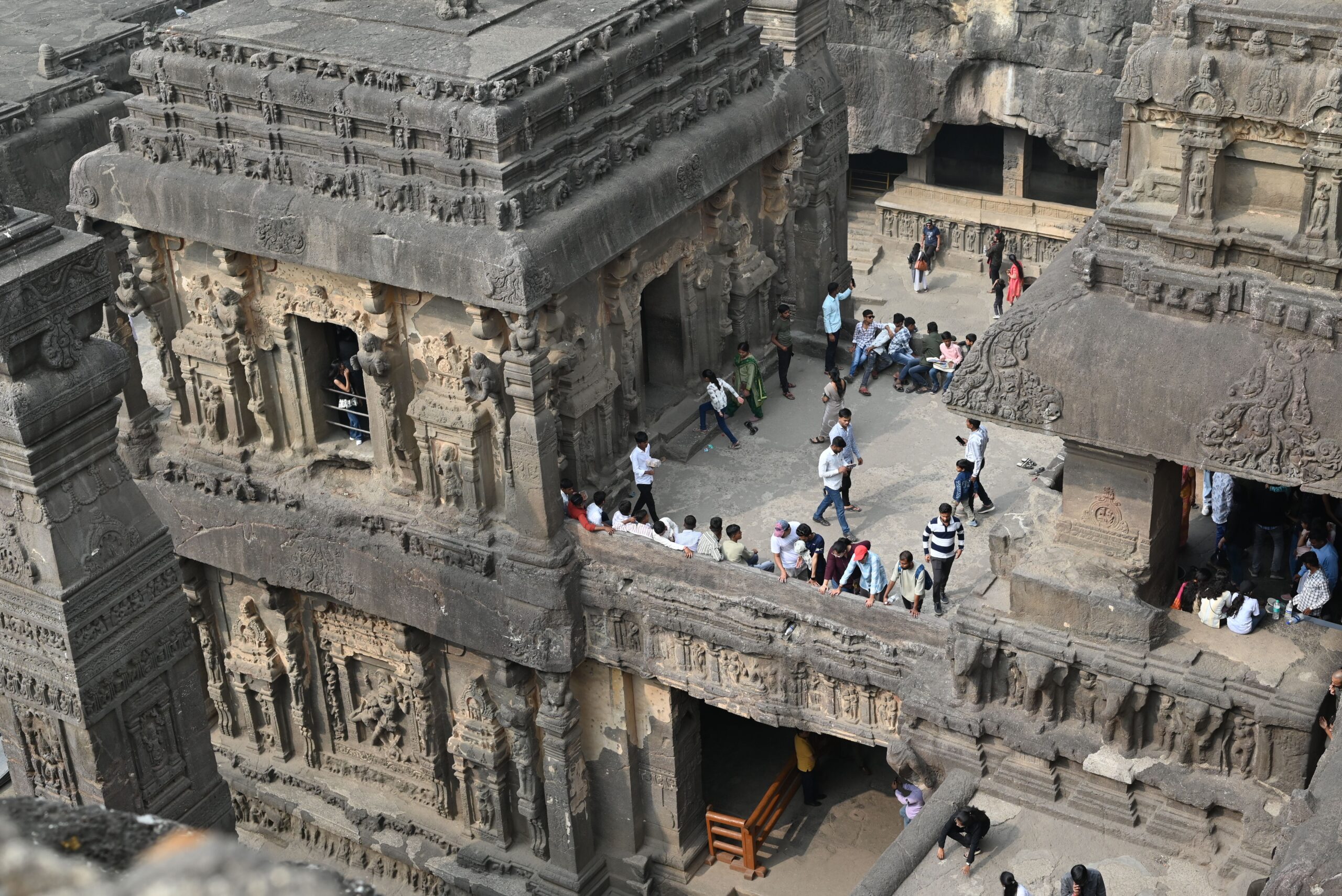
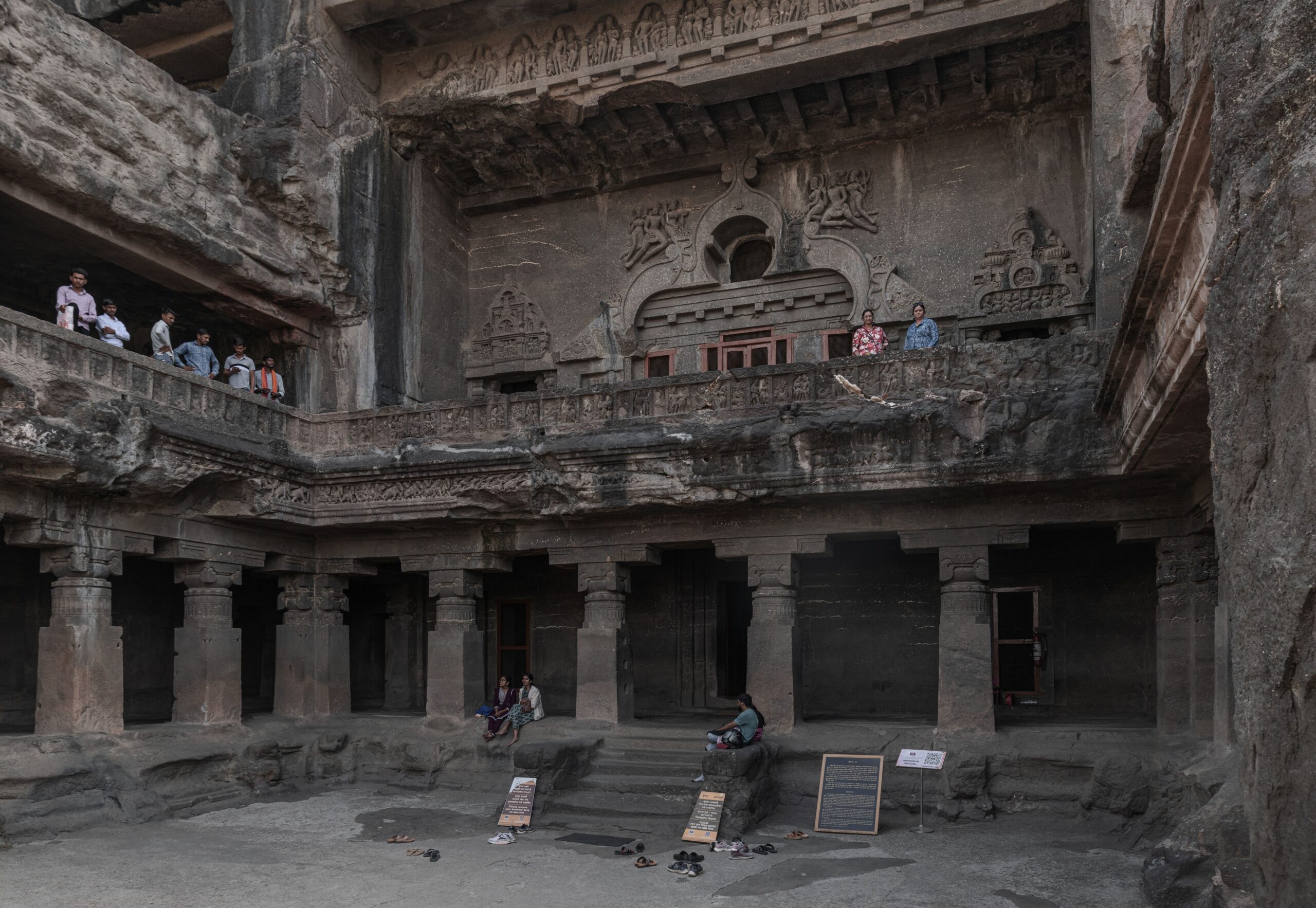
When you enter Kailasa Temple, you first encounter the large courtyard, which impresses with its sheer openness. The carved rock walls rise steeply on all sides, creating an enclosed space that feels both intimate (because of the surrounding walls) and monumental (because of the scale). On the courtyard walls, you’ll notice:
Carved Elephant Sculptures: Life-sized elephants are carved into the courtyard walls—a common symbol of strength, prosperity, and cosmic support in Hindu tradition. These elephants are remarkably detailed, with individual features like trunks and ears clearly visible despite being carved in hard basalt stone.
Lion Sculptures and Guardian Figures: Protective deities and mythological creatures are carved in commanding poses throughout the courtyard, establishing the space as sacred and protected.
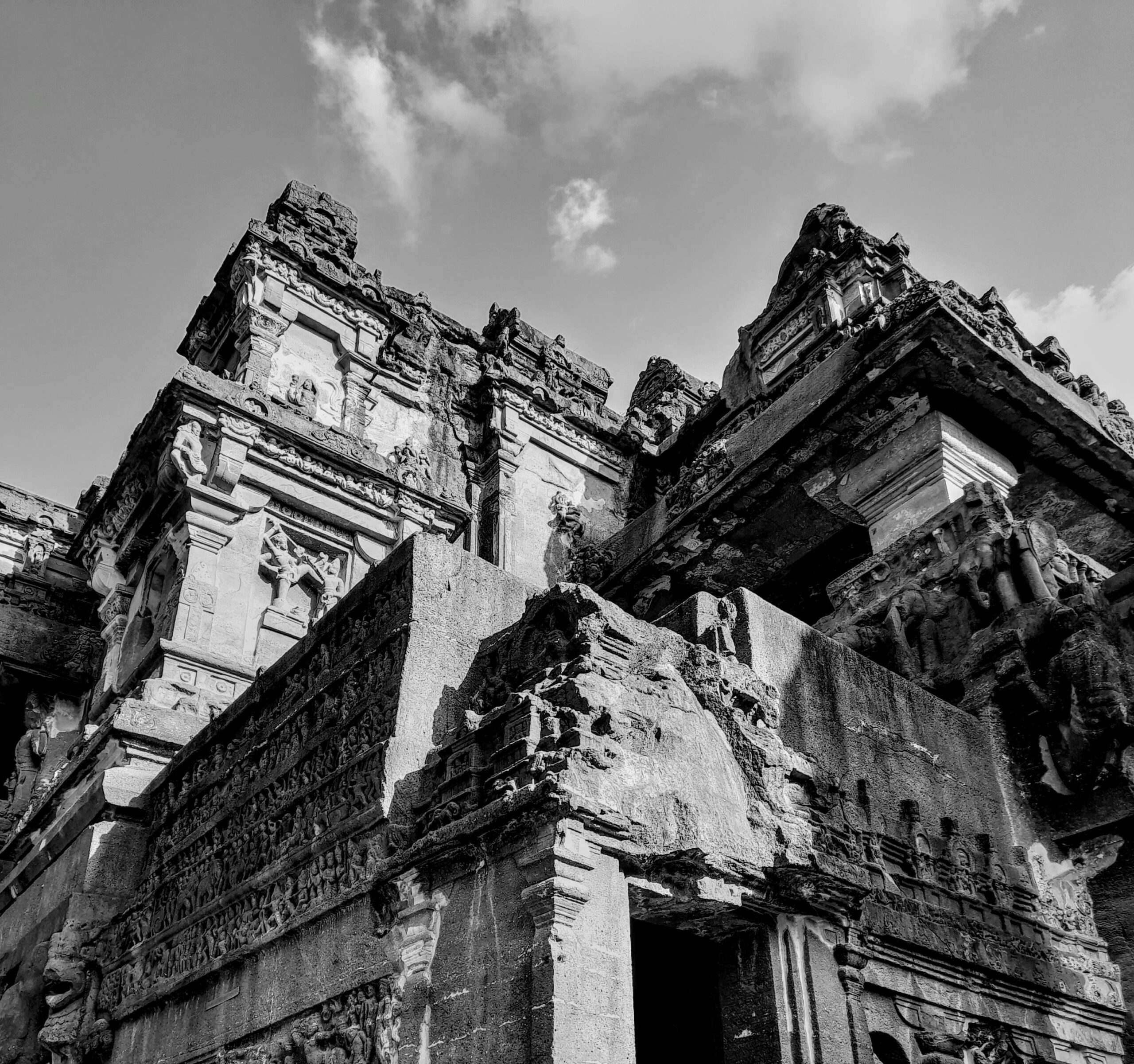
Narrative Friezes: The walls include carved panels depicting scenes from Hindu epics and Shiva legends. If you take time to examine these, you can read these visual stories—armies in procession, gods in divine assemblies, sacrificial scenes, and mythological battles.
The Bridge and Approach
A distinctive feature is the stone bridge that spans the courtyard moat-like depression, providing access to the main temple structure. This bridge is a separate architectural element, carved from the same mountain but functioning as a distinct causeway. Walking across this bridge traditionally marks a transition from the external, secular world to the sacred precinct of the temple.
The Main Temple Structure
The Pillared Hall (Mandapa): The main temple building features numerous pillars, each elaborately carved. These pillars display architectural sophistication with capitals (tops) that feature lotus flower motifs, celestial beings, and ornamental designs. The spacing and rhythm of pillars create a visual experience of sacred geometry.
The Sanctum (Garbhagriha: The innermost chamber houses a stone linga, the representation of Shiva’s infinite energy. This chamber is small and intimate, in contrast to the monumental courtyard. In historical times, this would have been accessible only to designated priests; today, visitors can usually view the linga from the outer chamber.
The Ambulatory Path: Visitors can circumambulate (walk around) the main temple structure, a religious practice called pradakshina. This path allows engagement with all sides of the temple, exposing different sculptural panels and architectural details.
Upper Levels and Subsidiary Structures
The Upper Sanctum: The temple has an upper level with its own sanctum and pillared areas, reached by internal staircases. This upper level provides different perspectives on the surrounding landscape and includes its own religious spaces.
Side Chambers: Adjacent to the main temple are smaller chambers carved from the rock, likely used for specific religious purposes—possibly housing different deities or serving as areas for specific ceremonies.
The Nandi (Bull) Sanctuary: A separate structure houses a large stone bull (Nandi), which is Shiva’s sacred vehicle and a constant feature of Shaivite temples. The Nandi at Kailasa faces the main sanctum, as is customary in Hindu temple architecture.
Sculptural Details Worth Examining
If you visit Kailasa Temple, look closely at:
The Ravana Lifting Mount Kailash Panel: This sculptural scene on the courtyard walls depicts one of Hindu mythology’s most famous moments—the demon king Ravana attempting to lift Mount Kailash. The composition shows extraordinary spatial arrangement with multiple figures arranged in registers.
Scenes from the Mahabharata and Ramayana: Various wall panels tell stories from these epics. The depiction of the Churning of the Ocean (Samudra Manthan) is particularly detailed.
The Dancing Shiva (Nataraja) Figures: Multiple depictions of Shiva in his cosmic dance form appear throughout the temple, representing the dynamic creation and destruction cycles in Hindu philosophy.
Celestial Beings and Apsaras: Beautiful female figures (apsaras or celestial nymphs) are interspersed among narrative scenes, representing heavenly grace and celestial beauty.
The Experience of Scale
What many visitors report as their most memorable experience is not any single sculptural element but the overwhelming sense of scale. Standing in the courtyard surrounded by 56-meter walls of carved stone, comprehending that this entire structure was carved from a single mountain rather than constructed from separate pieces, creates a profound sense of awe. This emotional response is likely intentional—the temple was designed to inspire spiritual wonder.
The Ellora Caves Complex: Kailasa in Context
To understand Kailasa Temple fully, you must understand its place within the larger Ellora Caves complex.
The Ellora Caves: A Multicultural Religious Center
The Ellora Caves site contains 34 major caves spread across approximately 2 kilometers of a mountainside. These caves represent three major world religions: Hinduism, Buddhism, and Jainism. This religious diversity is extraordinary and perhaps unique in the medieval world—a site where followers of different faiths coexisted, each maintaining their own worship spaces while sharing the overall location.
Buddhist Caves(Caves 1-12): The earliest caves, dating from around the 5th-7th centuries, are primarily Buddhist. These include viharas (monasteries) and chaityas (prayer halls), with elaborate sculptural depictions of Buddha and scenes from Buddhist literature.
Hindu Caves (Caves 13-29): These caves, including the monumental Kailasa Temple (Cave 16), represent the development of Hindu cave architecture and sculpture. They progress from simple cave temples to the extraordinary sophistication of Kailasa.
Jain Caves (Caves 30-34): The later caves include sophisticated Jain temples with beautiful sculptural programs depicting Jain tirthankara (saviors).
Why This Diversity Existed
The Ellora site’s religious diversity reflects the political and social conditions of the Deccan during this period. The Rashtrakuta Dynasty, despite their Shaivite preferences (evident from Kailasa Temple’s prominence), were known for religious tolerance and patronage of multiple religious communities. Archaeological evidence suggests that Buddhist monks, Hindu devotees, and Jain communities all benefited from royal support.
The location itself—a mountainside with suitable rock formations—was attractive for all religious communities because it provided natural shelter and the possibility of creating permanent sacred spaces through carving. The concentration of caves in a single location suggests a planned settlement of religious communities rather than accidental proximity.
Kailasa Temple’s Place in the Complex
Despite being one cave among many, Kailasa Temple is qualitatively different. Its monumental scale, royal patronage, and sophisticated carving set it apart. If the other caves in the complex represent “architecture,” Kailasa Temple represents “art.” It stands as the apex of Ellora’s sculptural tradition—the point toward which the cave-carving tradition had been developing from its earliest Buddhist examples.
Visiting the entire Ellora complex provides perspective. Walking from the Buddhist caves through the Hindu caves to Kailasa Temple and then to the Jain caves creates a journey through medieval religious history and architectural development. Kailasa doesn’t exist in isolation—it’s the culmination of centuries of carving tradition.
Festivals at Kailasa Temple Ellora: Celebrating Sacred Traditions
Kailasa Temple is not merely a historical monument frozen in time—it is a living place of worship where ancient spiritual traditions continue to flourish. Throughout the year, sacred festivals transform the temple into a vibrant center of devotion, drawing pilgrims from across India and beyond. These festivals aren’t tourist attractions added for entertainment; they represent centuries-old traditions that give the temple its spiritual heartbeat.
1. Maha Shivaratri: The Greatest Night of Shiva
Significance: Maha Shivaratri (literally “Great Night of Shiva”) is the most significant festival at Kailasa Temple, celebrating the cosmic form of Lord Shiva as the supreme consciousness. For Shaivites (followers of Shiva), this night commemorates Shiva’s cosmic dance of creation and destruction.
Historical Background:
The tradition of celebrating Maha Shivaratri dates back thousands of years in Hindu tradition. The festival marks the night when, according to Hindu mythology, Shiva performed his cosmic dance of Tandava, the dance that creates and destroys the universe in endless cycles. For temples dedicated to Shiva, Maha Shivaratri is the holiest night of the year.
At Kailasa Temple specifically, the festival takes on special significance because the temple itself is designed as a representation of Mount Kailash, Shiva’s abode. Celebrating Maha Shivaratri at Kailasa Temple creates a direct spiritual connection between worshippers and the cosmic form of Shiva that the temple embodies.
Mythology Behind the Festival:
According to Hindu sacred texts, on the night of Maha Shivaratri, Shiva emerged from his meditative state and began his cosmic dance. This dance is not merely physical movement—it represents the eternal rhythm of creation (Srishti), preservation (Sthiti), and dissolution (Laya) that governs all existence. The universe, in Hindu philosophy, is constantly being created and destroyed in this eternal cycle, with Shiva as the cosmic force enabling this transformation.
The festival also commemorates Shiva’s marriage to Parvati. According to mythology, on this night, Shiva married Parvati (the divine feminine energy), representing the union of masculine and feminine cosmic principles that creates the manifest universe.
When It Occurs:
Maha Shivaratri falls in February or March, depending on the lunar calendar. In 2026, it occurs on [DATE]. The festival is celebrated on the new moon night (Amavasya) in the Hindu month of Phalguna.
How It’s Celebrated at Kailasa Temple:
Before the Festival:
– The temple undergoes special cleaning and decoration in the weeks before Maha Shivaratri
– Pilgrims begin arriving days in advance, staying in local accommodations
– The atmosphere becomes increasingly devotional as the date approaches
On Maha Shivaratri Night:
– Midnight Worship: The most important ritual occurs at midnight, when priests perform special pujas (worship ceremonies) in the sanctum sanctorum
– All-Night Vigil (Jagarana): Thousands of devotees spend the entire night awake at the temple, singing devotional songs (bhajans), chanting mantras, and meditating
– Abhisheka Ritual: Priests perform elaborate abhisheka (ritual bathing) of the Shiva linga using various sacred substances including milk, honey, yogurt, and holy water
– Aarti Ceremonies: Multiple aarti (fire worship) ceremonies occur throughout the night, with priests waving sacred flames before the deity
– Prasad Distribution: Blessed offerings (prasad) are distributed to devotees—typically sweets and fruits
The Spiritual Experience:
Visiting Kailasa Temple during Maha Shivaratri is profoundly different from a regular visit. The temple becomes a spiritual vortex where the boundary between the material and divine seems to thin. Thousands of devotees, united in purpose, create an atmosphere of collective spiritual energy. The chanting of mantras reverberates through the ancient stone chambers, echoing what devotees have chanted for over 1200 years.
Many pilgrims report transformative experiences during Maha Shivaratri at Kailasa Temple. Some describe feelings of deep peace, others report visions or profound meditative states. Whether one is spiritually inclined or simply observing, the intensity of devotion and the power of collective worship creates an undeniable spiritual atmosphere.
2. Diwali: Festival of Lights and Spiritual Victory
Significance: Diwali celebrates the victory of light over darkness and good over evil. At Kailasa Temple, this festival celebrates Shiva’s victory over ignorance and the illumination of consciousness.
Historical Background:
Diwali (Deepavali, “row of lights”) has been celebrated for over 2500 years in India. The festival marks the triumph of righteousness and the beginning of a new year in the traditional Hindu calendar. While popularly associated with the epic Ramayana (celebrating Ram’s victory over Ravana), Diwali also honors Lord Shiva as the cosmic consciousness that illuminates all existence.
In the context of Kailasa Temple, Diwali celebrates Shiva as the supreme light of consciousness that destroys the darkness of ignorance. This aligns with the temple’s dedication to Shiva as the ultimate reality.
Mythology Behind the Festival:
According to Hindu philosophy celebrated through Diwali, there are two types of darkness: external darkness (absence of light) and internal darkness (ignorance, ego, desire). Diwali represents the victory of knowledge over ignorance, consciousness over unconsciousness.
In Shaivite tradition, Shiva is depicted as “Jyoti” (cosmic light)—the eternal, unchanging illumination that underlies all existence. Diwali celebrates the realization of this truth: that the individual consciousness (Atman) is identical to the universal consciousness (Brahman), represented by Shiva.
When It Occurs:
Diwali falls in October or November, on the new moon night of the Hindu month of Kartik. In 2026, Diwali occurs on [DATE].
How It’s Celebrated at Kailasa Temple:
Before Diwali:
– The entire temple complex is cleaned and whitewashed
– Decorations with flowers and garlands are installed
– Oil lamps (diyas) are prepared—hundreds or thousands of them
– Special sweets are prepared for distribution as prasad
During Diwali:
– Lighting of Lamps: At dusk, thousands of oil lamps (diyas) are lit throughout the temple complex, creating a spectacular visual display that honors the ancient tradition of creating light to welcome the divine
– Special Pujas: Priests conduct special worship ceremonies honoring Shiva as the supreme light
– Bursting of Firecrackers (in some cases): Celebrations may include the traditional lighting of firecrackers, though this is increasingly limited due to environmental concerns
– Distribution of Sweets: Special Diwali sweets and savory foods are prepared and distributed as blessed offerings
– Prayers for Prosperity: Devotees offer prayers not just for spiritual illumination but for material prosperity and family well-being
The Spiritual Experience:
Diwali at Kailasa Temple creates a magical atmosphere. As darkness falls and thousands of oil lamps are lit throughout the ancient carved chambers and courtyards, the entire temple glows with golden light. The interplay of lamplight on the carved sculptures creates a living artwork, with shadows and light dancing across the faces of deities and the bodies of celestial beings.
The experience carries profound spiritual symbolism: just as these lamps illuminate the physical space, Shiva’s cosmic consciousness illuminates the spiritual realm. Many devotees report feeling a deep sense of peace and connection during this visual and spiritual spectacle.
3. Holi: Festival of Colors and Love
Significance: Holi celebrates love, forgiveness, renewal, and the victory of good over evil. At Kailasa Temple, Holi connects to Shiva’s playful and loving aspect.
Historical Background:
Holi is celebrated for thousands of years as a festival of spring, renewal, and love. While commonly associated with Lord Krishna (known for playing with colors), Holi also celebrates the destruction of ego and prejudice—themes central to Shiva worship.
In Shaivite temples like Kailasa, Holi celebrates Shiva’s aspect as “Nataraja” (cosmic dancer) and his role in perpetually creating new worlds through the destruction of old patterns.
Mythology:
According to mythology, on the eve of Holi, a demon named Holika (who was invulnerable to fire) was destroyed by the prayers of devotees. This represents the destruction of evil and negativity. The burning of the Holika bonfire symbolizes the burning away of old grudges, resentments, and ego.
For Shaivites, Holi also commemorates the moment when Shiva emerged from meditation and blessed the world with love and compassion.
When It Occurs:
Holi falls in February or March, on the full moon night of the Hindu month of Phalgun (just before Maha Shivaratri). In 2026, Holi occurs on [DATE].
How It’s Celebrated at Kailasa Temple:
Holika Dahan (Eve of Holi):
– A large bonfire is lit on the eve of Holi, where devotees gather for prayers and songs
– People walk around the fire, offering prayers for purification and renewal
– Sweets and nuts are roasted in the fire and distributed as blessed offerings
Holi Day:
– Colored Water and Powder (Gulal): Devotees playfully throw colored water and powder on each other, representing the breaking down of barriers and the celebration of brotherhood
– Bhajans and Kirtans: Devotional singing occurs throughout the day
– Feasting: Special Holi foods and sweets are prepared and shared
– Temple Blessings: Priests bless devotees, sometimes applying colored powder to their foreheads
Spiritual Significance:
While Holi is celebrated with colors and play, it carries deep spiritual meaning. The colors represent the diversity and beauty of creation. The playful throwing of colors symbolizes letting go of ego and pride—central themes in Shiva worship. The bonfire represents the burning away of negative tendencies and past karmas.
4. Navratri & Durga Puja: Nine Nights of Divine Feminine
Significance: Navratri celebrates the divine feminine energy (Shakti) and the triumph of good over evil. While primarily associated with the goddess Durga, Navratri also honors the feminine aspect of Shiva known as Parvati.
Historical Background:
Navratri (nine nights) is celebrated twice yearly—Chaitra Navratri in spring and Sharadiya Navratri in autumn. The festival spans 9 days and 10 nights, representing the cosmic battle between good (represented by goddess Durga) and evil (represented by demon Mahishasura).
In the context of Kailasa Temple dedicated to Shiva, Navratri celebrates Parvati (Shiva’s beloved) and the role of feminine divine energy in creation and spiritual evolution.
Mythology:
According to mythology, the demon Mahishasura could not be defeated by any god—he could only be destroyed by a woman. The goddess Durga was manifested from the combined energies of all gods to defeat this demon. Over 9 days and 9 nights, Durga and Mahishasura battled. On the 10th day (Vijayadashami), Durga killed the demon, and good triumphed over evil.
This narrative, while about divine feminine defeating evil, also represents inner spiritual struggle: the triumph of wisdom (feminine principle in Hindu philosophy) over ego and ignorance.
When It Occurs:
Sharadiya Navratri (autumn) occurs in September or October. In 2026, it falls on [DATE]. Chaitra Navratri (spring) falls in March or April.
How It’s Celebrated at Kailasa Temple:
Navaratri Traditions:
– Each day celebrates a different aspect of the divine feminine
– Priests conduct special pujas invoking different goddesses
– Temporary shrines and altars are set up with flowers and decorations
– Devotees fast or eat sattvic (pure) food as a spiritual practice
– Recitation of Devi Mahatmya (stories of the goddess) occurs daily
– On the final day (Vijayadashami), celebrations culminate with burning effigies of the demon
Connection to Kailasa Temple:
At Kailasa Temple, Navratri celebrations honor Parvati, Shiva’s consort. According to Hindu mythology, Shiva was a solitary ascetic until Parvati’s devotion and love transformed him into a cosmic householder. This union represents the principle that masculine and feminine energies must balance to create wholeness.
Spiritual Significance:
Navratri represents the spiritual journey of defeating internal demons: ignorance, ego, desire, anger, greed. The 9 days correspond to 9 stages of spiritual development. By the 10th day (Vijayadashami), the practitioner has achieved victory over these inner demons.
5. Kartik Purnima: Full Moon of Spiritual Awakening
Significance: Kartik Purnima celebrates spiritual illumination and the victory of wisdom over ignorance.
Historical Background:
Kartik Purnima falls in the Hindu month of Kartik (October/November) on the full moon. This is an auspicious day for spiritual practices, meditation, and prayers.
When It Occurs:
October or November, on the full moon night. In 2026, it falls on [DATE].
Celebration at Kailasa Temple:
– Special prayers and rituals honoring Shiva
– Temple is decorated with flowers and lights
– Large gatherings of devotees for meditation and prayers
– Ritual bathing (snan) is considered particularly auspicious on this day
Spiritual Significance:
The full moon represents completeness and illumination. Kartik Purnima celebrations honor this complete manifestation of divine light.
6. Annual Temple Anniversary & Rashtrakuta Remembrance
Significance: While not a traditional Hindu festival, many temples observe annual celebrations commemorating their construction or important historical events.
Proposed Festival Idea for Kailasa Temple:
Kailasa Temple could benefit from an annual “Rashtrakuta Heritage Day” commemorating King Krishna I’s monumental achievement. This could include:
– Lectures on Rashtrakuta history and culture
– Reenactments of historical ceremonies
– Exhibitions of research on the temple’s construction
– Performances of classical Indian dance and music
– Recognition of conservation efforts
This would serve multiple purposes:
– Educate visitors about the temple’s historical significance
– Honor the artists and rulers who created this marvel
– Generate tourism during a specific season
– Differentiate Kailasa Temple from other pilgrimage sites
Kailasa Temple Ellora Timings, Tickets, and Practical Information
Opening Hours
Kailasa Temple Ellora is open as part of the Ellora Caves complex:
– Opening Time: 9:30 AM
– Closing Time: 5:30 PM
– Open: Daily (including holidays)
– Best Time to Visit Within These Hours: 9:30-11:30 AM, when the site is less crowded and morning light beautifully illuminates the sculptures
Entry Fees (As of June 2026)
Indian Citizens: ₹40 per person
Foreign Nationals: ₹600 per person
Students (with valid ID): ₹20 (Indian), ₹300 (Foreign)
Children Under 15: ₹20 (Indian), ₹300 (Foreign)
The fee provides access to the entire Ellora Caves complex (34 caves), not just Kailasa Temple.
Video Camera Fee: ₹25 additional charge if you want to record video (photography is included in admission)
Duration of Visit
Minimum Visit: If you want to see only Kailasa Temple with basic observation, 1-1.5 hours is sufficient.
Recommended Visit: 2-3 hours allows you to explore Kailasa Temple thoroughly, see the other caves in the complex, and have lunch.
Comprehensive Visit: 4-5 hours allows detailed examination of all 34 caves, reading inscriptions and sculptural panels carefully, and understanding the entire complex’s religious and historical context.
Practical Information
Facilities at the Site:
– Restrooms: Available near the entrance and at a midpoint area. Standard Indian government facility quality.
– Water: Water taps available at multiple points. Carrying bottled water is recommended as tap water quality varies.
– Cafeteria: A basic canteen near the entrance provides beverages and simple food. Quality and pricing are modest.
– Parking: Paid parking available for cars (₹50-100 for all-day parking) and bikes (₹20).
– Information Centre: An ASI (Archaeological Survey of India) office provides information and displays about the site.
Accessibility:
– Walking: The site involves significant walking on uneven paths and some staircase climbing.
– Mobility Challenges: The site is challenging for visitors with mobility limitations due to stairs and rock-carved paths. Wheelchair access is very limited.
– Physical Fitness: While no extreme fitness is required, comfortable walking shoes and reasonable cardiovascular fitness are necessary.
Visiting in Different Seasons
Monsoon (June-September: The paths can become slippery. The site is less crowded. The landscape is lush and green. Rocks may glisten with moisture, creating interesting photographic conditions.
Summer (March-May): Very hot, particularly in the exposed courtyard areas. Visit very early morning or late afternoon. Dehydration is a risk.
Winter (October-February): The most comfortable season. Temperature is moderate, crowds are heavier, but the weather is ideal. This is peak tourist season.
Services in Aurangabad
Hotels near Kailasa Temple Ellora: There are no hotels directly at the caves. The nearest town is Aurangabad (30 km away), which has numerous hotels ranging from budget (₹800-1500/$10-18) to luxury (₹5000-15000/$60-180).
Food and Dining: The Ellora Caves area has very limited food options. Most visitors eat in Aurangabad before or after visiting the caves. Some local vendors sell snacks near the cave entrance.
Medical Facilities: Aurangabad has various hospitals and clinics. The cave site has no medical facilities, so serious illness would require travel to Aurangabad.
Best Time to Visit Kailasa Temple Ellora
Seasonal Considerations
October-February: Ideal Season
– Weather: Temperature ranges from 15-25°C (59-77°F), making the site comfortable for extended exploration.
– Visitor Levels: Peak season, with highest number of domestic and international tourists. This means more crowded conditions but better availability of guides and services.
– Advantages: You can spend hours at the site without excessive heat affecting your ability to explore thoroughly. Light is excellent for photography.
– Planning Tip: Arrive early (9:00-9:30 AM) to beat the crowds and experience the site in relative solitude before midday visitor influx.
March-May: Hot Season
– Weather: Temperature can exceed 35-40°C (95-104°F), particularly in midday hours.
– Visitor Levels: Moderate crowds, as many international tourists prefer cooler months.
– Advantages: If you can handle heat, crowds are smaller. Visit very early morning (6:00 AM onwards, though official opening is 9:30 AM) or late afternoon (4:00 PM onwards).
– Challenges: Extreme heat can limit exploration time. Dehydration is a serious risk. The carved rock surfaces heat up, making them uncomfortable to touch.
June-September: Monsoon Season
– Weather: Humidity is high, temperatures are moderate (25-30°C), but frequent rain is possible.
– Visitor Levels: Very few tourists, making this the season of solitude. Guides and services are less available.
– Advantages: Romantic, atmospheric experience. Overcast skies create different lighting conditions that can be photographically interesting. Water features in the landscape create natural beauty.
– Challenges: Paths can be slippery. Some areas may be muddy. Risk of landslips exists in some areas. Weather can be unpredictable.
Specific Time-of-Day Recommendations
Early Morning (6:00-9:00 AM): The site is largely empty (though officially closed). Light is warm and golden. Sculptures create striking shadows. If you can arrange guide access, this is ideal, though you may need special permissions.
Mid-Morning (9:30-12:00 PM): Good light, moderate crowds (manageable). Site is officially open. This is the prime visiting window.
Afternoon (12:30-4:30 PM): Heat is intense. Crowds are at their peak. Light is harsh and doesn’t create interesting shadows. Not ideal unless you specifically want to experience the site’s spiritual atmosphere in solitude (possible in off-seasons).
Late Afternoon (4:30-5:30 PM): Light becomes warm again as sun approaches horizon. Crowds are decreasing. This is an excellent alternative if you haven’t visited in the morning.
Nearby Attractions: Beyond Kailasa Temple
While visiting Kailasa Temple Ellora, you’re in a region rich with other historical and cultural attractions.
Other Ellora Caves
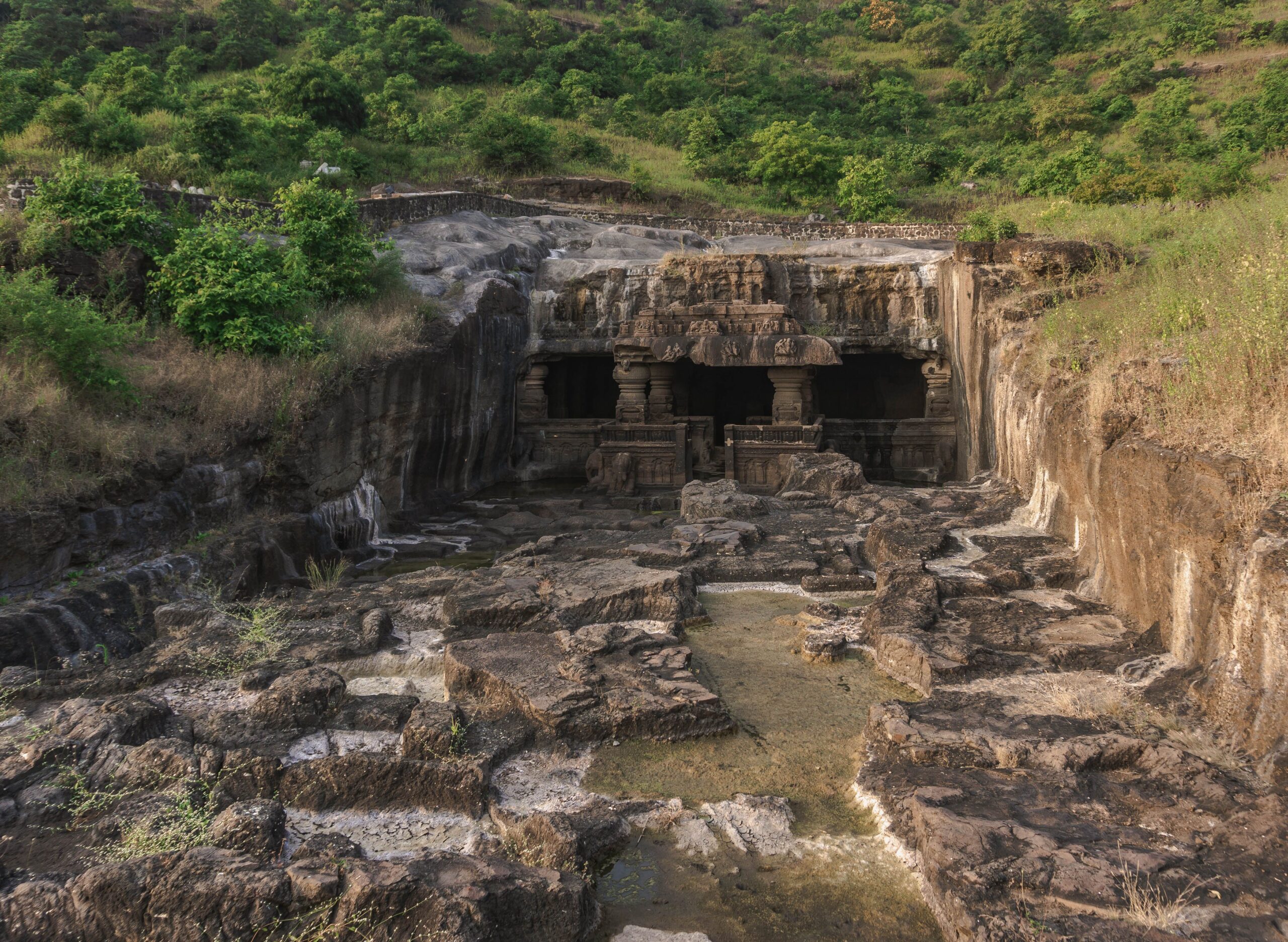
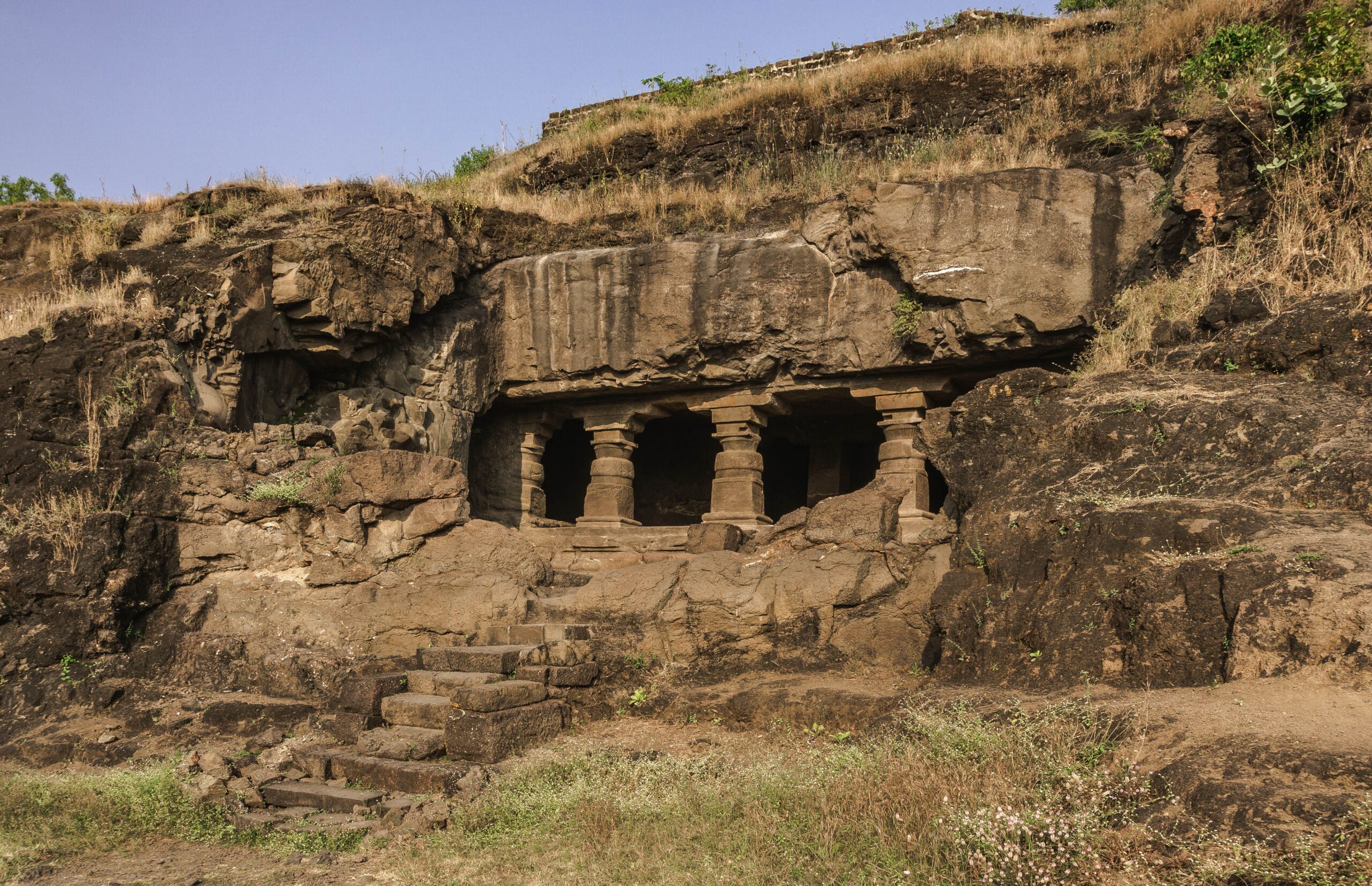
The other 33 caves in the complex are worth exploring before or after Kailasa Temple. The Buddhist caves (especially Cave 5, the “Chaitya,” and Cave 10) are architecturally significant. The Jain caves (particularly Caves 32 and 33) display impressive sculptural refinement.
Ajanta Caves (Approximately 100 km away)
The Ajanta Caves, another UNESCO World Heritage Site, feature Buddhist rock-cut cave architecture and are famous for ancient Indian paintings and sculptures. These caves predate Ellora by several centuries and represent an earlier phase of rock-cut architecture. The journey from Ellora to Ajanta is about 2-3 hours by road.
Daulatabad Fort (Approximately 15 km from Aurangabad)
This medieval fort, with its distinctive conical mountain-top location, offers panoramic views of the surrounding region. The fort has historical significance as a seat of medieval rulers. The climb to the top is moderately strenuous but rewarding.
Bibi-Ka-Maqbara (Taj-like Mausoleum)
Located in Aurangabad city, this structure is sometimes called the “Poor Man’s Taj” due to its architectural similarity to the Taj Mahal. Built in the 17th century, it displays Mughal architectural style.
Panchakki (Water Mill)
A 17th-century water mill located on the outskirts of Aurangabad, featuring underground channels that bring water from a spring. The structure combines hydraulic engineering with architectural aesthetics.
Himroo and Silk Weaving
Aurangabad is known for Himroo weaving, a traditional textile craft. Visitors can visit weaving centers to see artisans at work and purchase handwoven textiles.
Local Cuisines and Dining
Aurangabad offers regional Marathi cuisine as well as broader Indian options. Some specialties include:
Biryani: The region’s style of biryani is distinct and highly regarded
Traditional Marathi Dishes: Like bhakri (millet bread) with curry
Street Food: Nearby cities are known for street food culture
Frequently Asked Questions
Which dynasty built Kailasa Temple at Ellora?
The Rashtrakuta Dynasty, specifically King Krishna I (ruled approximately 756-774 CE), built Kailasa Temple. Construction began around 760 CE and may have continued for several decades, possibly extending into the reign of his successor Govinda III. The project represented a pinnacle of Rashtrakuta artistic and architectural achievement.
How old is Kailasa Temple Ellora?
Kailasa Temple is approximately 1260-1270 years old, having been constructed during the 8th century CE (specifically around 760-800 CE). Despite its age and exposure to weather, the temple remains in relatively good condition, though ongoing conservation efforts are necessary.
Is Kailasa Temple Ellora still used for worship?
Yes, Kailasa Temple functions as an active Hindu temple. Regular pujas (worship ceremonies) are conducted, particularly during Hindu festivals. However, as a protected monument under the Archaeological Survey of India, visitors are allowed access to the temple alongside worshippers. During major festivals, significant numbers of pilgrims visit for worship.
How many years did it take to build Kailasa Temple?
Historical sources suggest the construction spanned several decades, likely 30-50 years or more. Some scholars estimate the work continued from approximately 760 CE to 810 CE or beyond. The exact timeline isn’t precisely documented, but the complexity of the work and the scale of the project would have required sustained effort over decades.
How many workers built Kailasa Temple?
Specific numbers aren’t documented, but estimates suggest hundreds of workers participated in the project—stonecutters, sculptors, laborers, engineers, and supervisors. The organization of such a large workforce over decades would have required sophisticated management systems. The royal patronage and resources of the Rashtrakuta Dynasty enabled this sustained effort.
Is Kailasa Temple the largest temple in the world?
It’s not the largest temple by floor area (various temples in India and elsewhere are larger in that measure), but it is the world’s largest monolithic sculpture—carved from a single piece of stone. By the standard of being entirely carved from one mountain, it’s unique.
Can you go inside Kailasa Temple Ellora?
Yes, visitors can enter the temple complex. The inner sanctum containing the linga can usually be viewed from outer chambers, though during active worship times or certain ceremonies, access to some areas may be restricted. Most of the temple’s interior and exterior is accessible to visitors.
What's the mystery of Kailasa Temple?
The primary mysteries involve the engineering and construction methods. How did 8th-century artisans carve such a massive structure without modern tools? How was the work planned and executed with such precision? How were massive stone blocks moved from interior chambers? While scholars have theories, many specific technical details remain undocumented.
Is Kailasa Temple on the list of wonders?
Kailasa Temple isn’t officially one of the Seven Wonders of the World (which are: Great Pyramid of Giza, Hanging Gardens of Babylon, Temple of Zeus at Olympia, Colossus of Rhodes, Lighthouse of Alexandria, Mausoleum of Halicarnassus, and Great Wall of China). However, it’s recognized as a UNESCO World Heritage Site and is considered one of the world’s greatest architectural achievements.
Is photography allowed at Kailasa Temple?
Yes, general photography is permitted throughout Kailasa Temple and the Ellora complex. No special permits are needed for personal photography. Commercial photography may require permission. Flash photography inside dark interior chambers is sometimes restricted to protect ancient surfaces.
How much time should I spend at Kailasa Temple Ellora?
1-1.5 hours for a basic visit, 2-3 hours for a thorough exploration of Kailasa Temple alone, or 4-5 hours to properly explore the entire Ellora Caves complex with Kailasa Temple as the centerpiece.
Recent Post
-
 Kailasa Temple Ellora: History, Mystery & Visitor Guide
 -
 The Ultimate Brihadeshwara Temple Guide: Thanjavur Big Temple History, Architecture, Shrines & Secrets
 -
 Red Fort Lal Qila: The Ultimate Guide to Delhi's Historic Heart
 -
 Kamakhya Temple Guide: History, Festivals,& Booking Tips
 -
 Manikaran Sahib Himachal Pradesh:
 -
 Ratneshwar Mahadev Temple Varanasi
 -
Kashi Varanasi Travel Guide
-
Kaal Bhairav Temple History & Origin
-
 Golden Temple Amritsar 2025 – History, Sunrise Tips, Langar & Festivals
 -
Jaipur, The Pink City: A Heartfelt Journey into Rajasthan’s Royal Gem