Ratneshwar Mahadev Temple Varanasi
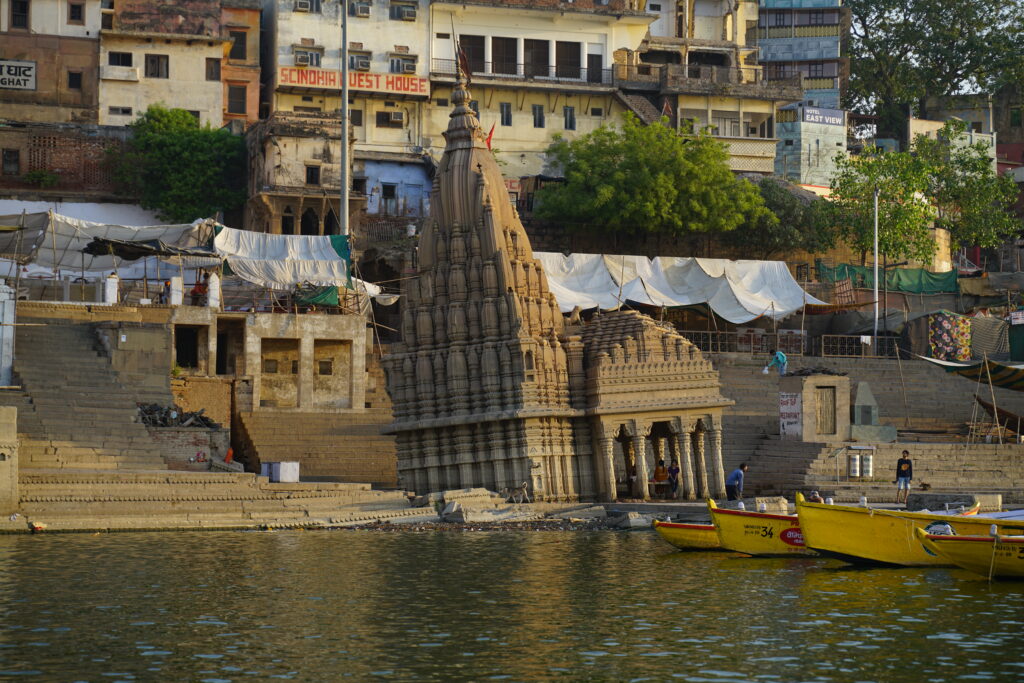
Photo by Redeemer – Own work – CC BY-SA 4.0 – via Wikimedia Commons Ratneshwar Mahadev Temple Varanasi Ratneshwar Mahadev Temple at Ratna Ghat is one of the most unique and mysterious temples to visit in Varanasi. According to the Skanda Purana, this is a Ratna (jewel) Shiva Linga that sparkles like crystal under the morning dewdrops. Local pundits say that during morning darshan, the lingam gives off a multicolored glow like a real gemstone! Ratna Ghat derives its name from this temple – Ratna + Ishwar. Kashi’s hidden gem temple that eliminates all planetary defects, prosperity blocks, and spiritual obstacles simultaneously. The perfect ending to the Varanasi tourist places complete series! History of Ratneshwar Mahadev Temple According to Skanda Purana Detailed references in the Kashi Khand of the Skanda Purana describe the divine origin of Ratneshwar Mahadev at Ratna Ghat in Varanasi. According to mythology, the temple is connected with the appearance of a sacred gem-like Shiva Lingam and several legendary events from different Yugas. Creation Era – Origin of the Ratneshwar Lingam: When Brahma founded Kashi, 7 divine gems (Ratna) appeared from the cosmic creation. One of these, the Ratneshwar gem, fell on the banks of the Ganges. Shiva established his own light form in that gem—creating the world’s first gem lingam. Treta Yug – Rama Connection: During Rama’s visit to Kashi, when Ravana performed black magic to appease the planets, Ratneshwar Mahadev neutralized 21 planets with his gem light. A coded reference in the Ramcharitmanas reads, “Sanka Graha Nivaran by Darshan of Ratna Ghat.” Dwapar Yug – Mahabharata Connection: The Pandavas worshipped Ratneshwar before the Kurukshetra War. Krishna told Arjuna that by seeing Ratneshwar, divine weapons become planet-neutral. This is mentioned in the Bhagwat Purana. Kali Yuga – Crystal Lingam Appearance: The current crystal lingam appeared spontaneously with morning dewdrops. Gupta Emperor Chandragupta II (380 AD) commissioned a gold gemstone shield. 7th-century Chinese traveler Hiuen Tsang described the “Crystal Lingam Ratna Ghat.” Medieval Period – Temple Development: In the 13th century, the 21-gem worship method of Ratneshwar appeared in Tantric texts. In the Peshwa era (1750 AD), the current Nagara Shikhara and gemstone pavilion were built. The Pawan Path Grand Ratna Temple is in modern times. Why is Ratneshwar Mahadev Temple Tilted? (Kashi Karvat Mystery Explained) One of the biggest reasons behind the popularity of Ratneshwar Mahadev Temple is its unique tilted structure, often compared to a leaning monument. The temple is believed to have tilted due to practical and environmental factors: Soft soil near the Ganges – The temple is built very close to the riverbank, where the ground is not very stable. Weak foundation – The base of the temple was not strong enough to support long-term structural stability. Water impact – Frequent contact with Ganga water, especially during floods, has gradually affected the structure over time. Because of these reasons, the temple appears tilted today and is sometimes partially submerged in water during certain seasons. Unique Architectural Features of Ratneshwar Mahadev Temple The architectural design of Ratneshwar Mahadev Temple reflects symbolic elements associated with Ratna (gemstone) traditions and classical temple construction styles. Crystal Lingam Chamber: The sanctum is believed to feature a sphatik-like Shivling, where moisture or dew-like formation is often observed during early morning hours. Gemstone-Inspired Pillars: The temple structure includes pillars symbolically associated with divine Ratnas, representing spiritual balance. Nagara Style Shikhara: Built in traditional North Indian Nagara architecture, the temple’s shikhara rises vertically with a classic design. Sphatik Base Structure: The base is associated with crystal purity and spiritual energy concepts. Rainbow Light Effect: During sunrise, natural light reflection may create a multicolored visual effect around the sanctum area. Shivling Features of Ratneshwar Mahadev Temple The Shivling at Ratneshwar Mahadev Temple is considered unique due to its traditional and symbolic characteristics. Sphatik-like Appearance: The lingam is believed to have a crystal-like visual form. Natural Abhishekam Effect: Devotees observe moisture formation resembling natural abhishekam during early hours. Gold Kavach Association: Historical references suggest the presence of a protective covering linked to ancient periods. Unique Ratna Rituals at Ratneshwar Mahadev Temple At Ratneshwar Mahadev Temple, daily worship begins early in the morning and continues till night, creating a steady spiritual atmosphere throughout the day. These rituals follow traditional Shiva worship practices, along with local beliefs connected to Ratna (gemstone) symbolism. Daily Ritual Schedule Time Ritual Ratna Specialty 4 AM Mangala Ratna Aarti Dew drop first capture 11 AM Sphatik Abhishekam Crystal purification 6 PM Ratna Ashtothram 21 gem name chant 8 PM Shayan Deep Gem light worship If you visit the temple, you’ll commonly see devotees bringing simple but meaningful offerings such as: Water or symbolic dew offeringsRatna mala (gemstone beads)21 modak with panchamritGold leaf or decorative offerings (based on personal belief) Spiritual Significance of Ratneshwar Mahadev Temple: Ratneshwar Mahadev Temple is often associated with spiritual beliefs related to prosperity, inner balance, and overcoming life challenges. Some commonly shared beliefs among devotees include: Relief from planetary (grah) imbalances (as per faith) Association with financial stability and growth Positive energy and spiritual upliftment Strength in handling legal and personal difficulties Some devotees also follow special practices like a 40-day “Ratna Anushthan,” which is believed to bring long-term positive changes in life. Location and Nearby Places: The temple is located at Ratna Ghat in Varanasi, placing it near some of the most important ghats in the city. Nearby Attractions Place Distance Time Manikarnika Ghat 600 m 8 min Nepali Temple 1.2 km 15 min Kashi Vishwanath 3 km 30–35 min Many visitors follow a common route:Manikarnika → Ratneshwar → Vishwanath, which is often considered a complete spiritual circuit of Kashi. Festivals and Important Days: Certain days are considered more significant based on local traditions: Ratna Saptami – associated with special rituals Makar Sankranti – seasonal transition period Sharad Purnima – known for calm and spiritual atmosphere Guru Purnima – dedicated to spiritual learning Pro Tips: Visit during Brahma Muhurat (4–6 AM) for a peaceful experience Early morning is best for photography You can buy पूजा items near the ghats Be cautious during monsoon due to rising