exploroad.com

Generic selectors
Exact matches only
Search in title
Search in content
Post Type Selectors

sameersalhotra708@gmail.com

Ratneshwar Mahadev Temple

Ratneshwar Mahadev Temple Varanasi

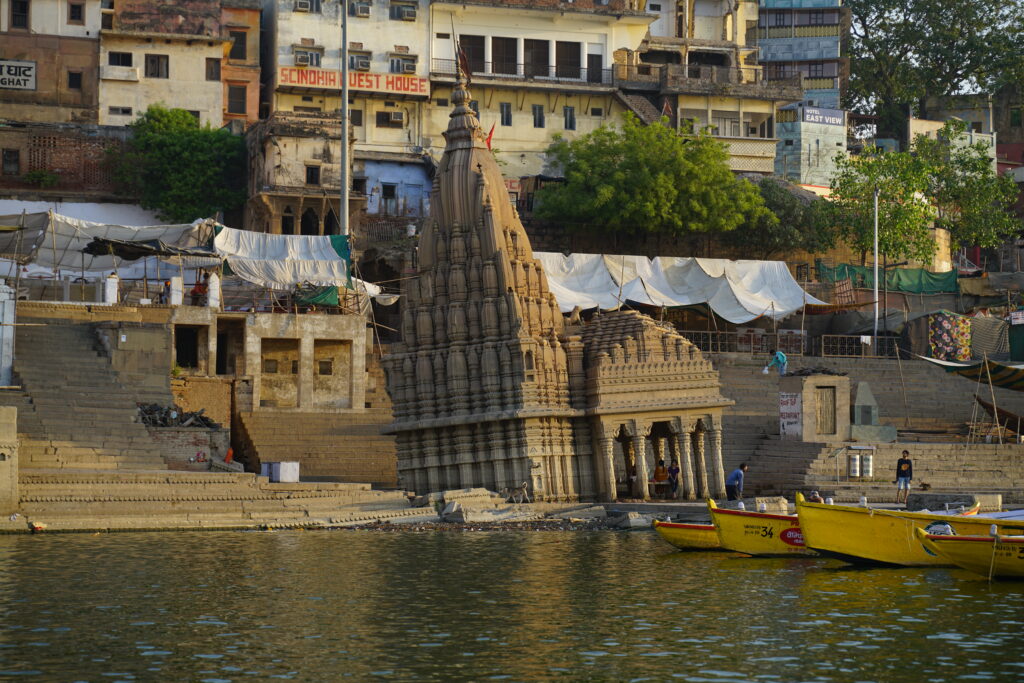
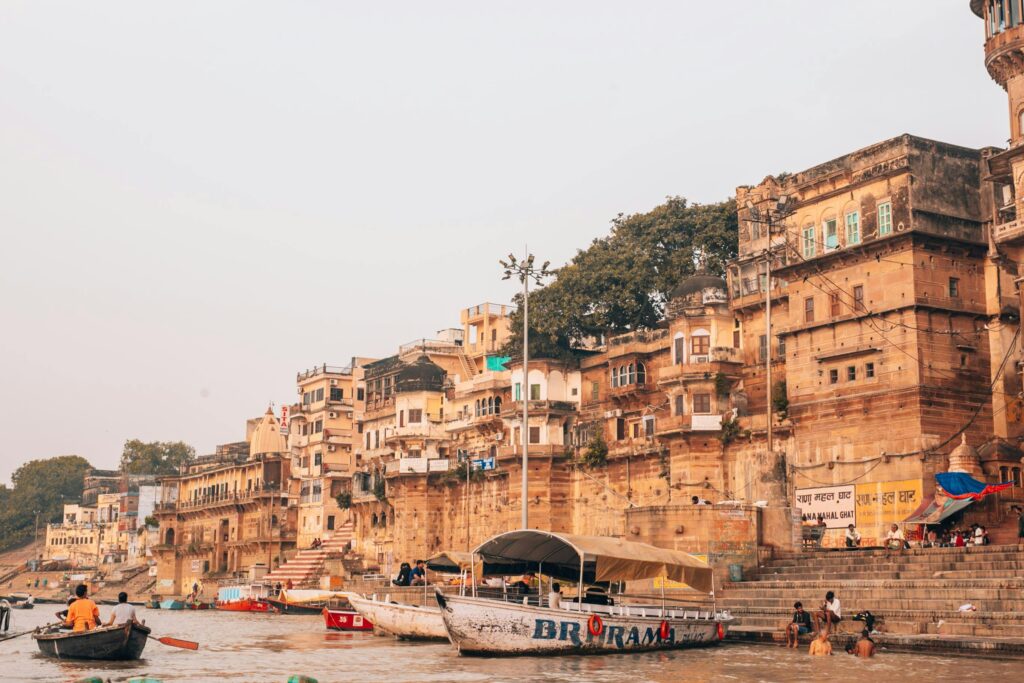
Photo by Redeemer – Own work – CC BY-SA 4.0 – via Wikimedia Commons Ratneshwar Mahadev Temple Varanasi Ratneshwar Mahadev Temple at Ratna Ghat is one of the most unique and mysterious temples to visit in Varanasi. According to the Skanda Purana, this is a Ratna (jewel) Shiva Linga that sparkles like crystal under the morning dewdrops. Local pundits say that during morning darshan, the lingam gives off a multicolored glow like a real gemstone!  Ratna Ghat derives its name from this temple – Ratna + Ishwar. Kashi’s hidden gem temple that eliminates all planetary defects, prosperity blocks, and spiritual obstacles simultaneously. The perfect ending to the Varanasi tourist places complete series! History of Ratneshwar Mahadev Temple According to Skanda Purana Detailed references in the Kashi Khand of the Skanda Purana describe the divine origin of Ratneshwar Mahadev at Ratna Ghat in Varanasi. According to mythology, the temple is connected with the appearance of a sacred gem-like Shiva Lingam and several legendary events from different Yugas. Creation Era – Origin of the Ratneshwar Lingam: When Brahma founded Kashi, 7 divine gems (Ratna) appeared from the cosmic creation. One of these, the Ratneshwar gem, fell on the banks of the Ganges. Shiva established his own light form in that gem—creating the world’s first gem lingam.  Treta Yug – Rama Connection: During Rama’s visit to Kashi, when Ravana performed black magic to appease the planets, Ratneshwar Mahadev neutralized 21 planets with his gem light. A coded reference in the Ramcharitmanas reads, “Sanka Graha Nivaran by Darshan of Ratna Ghat.”  Dwapar Yug – Mahabharata Connection: The Pandavas worshipped Ratneshwar before the Kurukshetra War. Krishna told Arjuna that by seeing Ratneshwar, divine weapons become planet-neutral. This is mentioned in the Bhagwat Purana.  Kali Yuga – Crystal Lingam Appearance: The current crystal lingam appeared spontaneously with morning dewdrops. Gupta Emperor Chandragupta II (380 AD) commissioned a gold gemstone shield. 7th-century Chinese traveler Hiuen Tsang described the “Crystal Lingam Ratna Ghat.” Medieval Period – Temple Development: In the 13th century, the 21-gem worship method of Ratneshwar appeared in Tantric texts. In the Peshwa era (1750 AD), the current Nagara Shikhara and gemstone pavilion were built. The Pawan Path Grand Ratna Temple is in modern times. Why is Ratneshwar Mahadev Temple Tilted? (Kashi Karvat Mystery Explained) One of the biggest reasons behind the popularity of Ratneshwar Mahadev Temple is its unique tilted structure, often compared to a leaning monument. The temple is believed to have tilted due to practical and environmental factors: Soft soil near the Ganges – The temple is built very close to the riverbank, where the ground is not very stable. Weak foundation – The base of the temple was not strong enough to support long-term structural stability. Water impact – Frequent contact with Ganga water, especially during floods, has gradually affected the structure over time. Because of these reasons, the temple appears tilted today and is sometimes partially submerged in water during certain seasons. Unique Architectural Features of Ratneshwar Mahadev Temple The architectural design of Ratneshwar Mahadev Temple reflects symbolic elements associated with Ratna (gemstone) traditions and classical temple construction styles. Crystal Lingam Chamber: The sanctum is believed to feature a sphatik-like Shivling, where moisture or dew-like formation is often observed during early morning hours. Gemstone-Inspired Pillars: The temple structure includes pillars symbolically associated with divine Ratnas, representing spiritual balance. Nagara Style Shikhara: Built in traditional North Indian Nagara architecture, the temple’s shikhara rises vertically with a classic design. Sphatik Base Structure: The base is associated with crystal purity and spiritual energy concepts. Rainbow Light Effect: During sunrise, natural light reflection may create a multicolored visual effect around the sanctum area. Shivling Features of Ratneshwar Mahadev Temple The Shivling at Ratneshwar Mahadev Temple is considered unique due to its traditional and symbolic characteristics. Sphatik-like Appearance: The lingam is believed to have a crystal-like visual form. Natural Abhishekam Effect: Devotees observe moisture formation resembling natural abhishekam during early hours. Gold Kavach Association: Historical references suggest the presence of a protective covering linked to ancient periods. Unique Ratna Rituals at Ratneshwar Mahadev Temple At Ratneshwar Mahadev Temple, daily worship begins early in the morning and continues till night, creating a steady spiritual atmosphere throughout the day. These rituals follow traditional Shiva worship practices, along with local beliefs connected to Ratna (gemstone) symbolism. Daily Ritual Schedule Time Ritual Ratna Specialty 4 AM Mangala Ratna Aarti Dew drop first capture 11 AM Sphatik Abhishekam Crystal purification 6 PM Ratna Ashtothram 21 gem name chant 8 PM Shayan Deep Gem light worship If you visit the temple, you’ll commonly see devotees bringing simple but meaningful offerings such as: Water or symbolic dew offeringsRatna mala (gemstone beads)21 modak with panchamritGold leaf or decorative offerings (based on personal belief) Spiritual Significance of Ratneshwar Mahadev Temple: Ratneshwar Mahadev Temple is often associated with spiritual beliefs related to prosperity, inner balance, and overcoming life challenges. Some commonly shared beliefs among devotees include: Relief from planetary (grah) imbalances (as per faith) Association with financial stability and growth Positive energy and spiritual upliftment Strength in handling legal and personal difficulties Some devotees also follow special practices like a 40-day “Ratna Anushthan,” which is believed to bring long-term positive changes in life. Location and Nearby Places: The temple is located at Ratna Ghat in Varanasi, placing it near some of the most important ghats in the city. Nearby Attractions Place Distance Time Manikarnika Ghat 600 m 8 min Nepali Temple 1.2 km 15 min Kashi Vishwanath 3 km 30–35 min Many visitors follow a common route:Manikarnika → Ratneshwar → Vishwanath, which is often considered a complete spiritual circuit of Kashi. Festivals and Important Days: Certain days are considered more significant based on local traditions: Ratna Saptami – associated with special rituals Makar Sankranti – seasonal transition period Sharad Purnima – known for calm and spiritual atmosphere Guru Purnima – dedicated to spiritual learning Pro Tips: Visit during Brahma Muhurat (4–6 AM) for a peaceful experience Early morning is best for photography You can buy पूजा items near the ghats Be cautious during monsoon due to rising

Ratneshwar Mahadev Temple Varanasi Read More »

kashi varanasi

Kashi Varanasi Travel Guide

Kashi Varanasi – History, Importance, and Best Places to Visit रामकृष्णं संसारसागर-महादुःख-भय-नाशनम् वाराणसीनाथमनाथनाथं श्रीविश्वनाथं शरणं प्रपद्ये ॥  “I surrender to Lord Vishwanath of Kashi, protector of the helpless, who ends the world’s great suffering.”  A line chanted at dawn on the ghats reminds every pilgrim why this city matters.  Varanasi—revered as Kashi and affectionately nicknamed Banaras—is more than a dot on the map; it is India’s spiritual mainspring and the planet’s oldest living city. Archaeologists date the earliest settlement layers at Rajghat to around 1800 BCE, meaning rituals have unfolded on these riverbanks for over three millennia. Perched on the sacred River Ganges, the city functions as a living chronicle where history, faith, craft and daily commerce interlace in real time.  Why people come: Hindus believe dying here grants moksha (liberation); Buddhists honour nearby Sarnath, site of the Buddha’s first sermon; Jains revere it as the birthplace of three Tirthankaras.  How it feels: Dawn breaks with conch-shell blasts, priests chant on 84 ghats, silk looms clack in Sarai Mohana, and chai sellers weave through alleys scented with sandalwood. By dusk, thousands gather for the hypnotic Ganga Aarti at Dashashwamedh Ghat, flames reflecting off the river like liquid gold.  Why it matters to India: The golden-spired Kashi Vishwanath Temple—one of Hinduism’s 12 jyotirlingas—anchors the nation’s religious map. Festivals such as Dev Deepawali draw live TV coverage and six-million-plus annual pilgrims, sustaining boatmen, flower vendors and priests whose livelihoods depend on this ceaseless tide of faith.  What this guide offers: A clear, fact-checked roadmap to Varanasi’s layers—history, ghats, temples, festivals, crafts, food, etiquette and logistics—so you can engage with the city respectfully and meaningfully.  History of Varanasi Varanasi’s story begins in the late‐Vedic age: archaeologists digging the Rajghat plateau have uncovered brick dwellings and painted pottery dated to about 1800 BCE, proof that Kashi was already an organized settlement when the rest of the world was still waking up. By the 6th century BCE the city had become a wealthy trading republic; its spiritual stature soared when Gautama Buddha delivered his first sermon at nearby Sarnath, setting Buddhism on its Asian journey.  Under the Mauryan Empire—especially Ashoka in the 3rd century BCE—Kashi gained imperial support for monasteries and learning centres. The Gupta period (4th–6th centuries CE) crowned this legacy: Sanskrit academies, temple architecture and metal art flourished so brightly that Chinese monk Xuanzang recorded “30 monasteries and 100 shrines” after his 7th-century visit.  Medieval turbulence followed. Mahmud of Ghazni’s 11th-century raid shattered many temples, yet the local Gahadavala rulers rebuilt quickly. The Mughal period added fresh layers: tolerant Akbar financed repairs, but Aurangzeb’s edicts demolished key shrines—most infamously the original Kashi Vishwanath Temple.  Resilience again prevailed. Maratha queen Ahilyabai Holkar reconstructed Kashi Vishwanath in 1780, wrapping the shikhara in 800 kg of gold. British rule (1775–1947) overlaid colonial architecture, rail lines and—crucially—the founding of Banaras Hindu University in 1916, still one of Asia’s premier centres for Sanskrit and Vedic studies.  In independent India the city has balanced preservation with access. The Shri Kashi Vishwanath Corridor project, launched 2021, widened pilgrim paths while conserving heritage facades; Smart-City funds now restore ghat steps and install river-water treatment. Three millennia on, Varanasi remains what it has always been: a living museum where every dynasty, faith and reform movement has left a discernible imprint.Festivals & Special Occasions  Festivals & Special Occasions  Varanasi’s calendar overflows with ritual, colour and sound. Below is a detailed look at the celebrations that give the city its nonstop heartbeat—arranged roughly in the order they appear through the Hindu lunar year (exact dates shift annually).  Major Annual Festivals  Dev Deepawali – Full-moon night of Kartik (Oct–Nov)  Ghats from Raj Ghat to Assi Ghat glitter with more than a million clay lamps; priests perform an extended Ganga Aarti watched from rooftops and boats.  Locals sponsor individual staircases, writing family names in marigold petals; donors receive blessed sandal-paste tilak.  Tour-friendly extras: classical-music mehfils on Mehrotra Mansion terrace, heritage photo walks that finish at Dashashwamedh Ghat for the final flame salute.  Ganga Mahotsav – Five days before Dev Deepawali  Daytime craft bazaar sells Banarasi silk, gulabi meenakari jewellery and brass lamps; evenings host Hindustani stalwarts on a floating stage.  Long-oar boat races between Bharatiya Dash and Varanasi Boat Club draw roaring crowds; winners receive silver oar miniatures blessed by temple priests.  Holi – Full-moon of Phalguna (Feb–Mar)  Godowlia Crossing erupts in clouds of pink and yellow gulal; Assi Ghat holds a safer, family-friendly colour zone.  Locals smear each other with sandalwood paste before colours start; bhang-laced thandai flows from roadside urns.  Visitors can join “dry Holi” balcony parties run by heritage havelis—powder is provided, water balloons are banned to protect cameras.  Diwali – New-moon of Kartik (Oct–Nov)  Households line ledges with mustard-oil diyas; children float lotus-shaped lamps on the Ganges for prosperity.  At night, Dashashwamedh Ghat hosts Lakshmi Puja, then fireworks paint the sky; street food stalls roll out ghee-fried jalebis and khoya barfi.  Temples stay open past midnight, and locals exchange trays of anarsa and chakli instead of expensive sweets to honour frugal goddess Lakshmi.  Mahashivaratri – 13th night of Magha (Feb–Mar)  Devotees queue at Kashi Vishwanath Temple with bilva leaves, hemp ropes and sacred water drawn that morning from the Ganges.  From dusk till dawn, akhara sadhus perform tandava-style dances; drummers keep a hypnotic rhythm that rises at each hour’s Mahanyas chant.  Fasting visitors break vrat at sunrise with kheer made from raw sugarcane juice—a ritual said to purify body and intent.  Nag Nathaiyya – Early winter (Oct–Nov)  Re-enactment of Krishna subduing the serpent Kaliya on Tulsi Ghat. A child-actor leaps from a kadamba tree into the water, climbs a hidden platform on a painted boat “serpent,” then strikes a flute pose.  Vaishnav monks chant the Sudarshan Ashtakam; conch horns punctuate each scene; floating leaf-bowls with camphor lamps follow the drama downstream.  Best viewed from paddleboats that linger mid-stream; guides narrate the episode in Hindi and English.   Navratri (twice a year) – Nine nights of Durga hymns; the Durga Kund tank hosts lamp-floating rituals, and clay idols receive fresh saris daily.  Makar Sankranti – First holy dip of the solar year; kids duel with bamboo-spool kites that fill the winter sky.  Basant Panchami – Spring welcome; temples drape the Saraswati idol in yellow silk and offer saffron-rice prasad.  Guru Purnima – Disciples honour gurus; Sanskrit colleges hold open classes on ancient commentaries.  Ganga Dussehra – Ten ceremonial dips thought to cleanse ten lifetimes of sin; riverbank priests chant the Dashashloki as they pour jars of perfumed milk into the current.  Hanuman Jayanti – Sankat Mochan Temple distributes 800 kg of boondi laddoo; brass bands play the Sankat Mochan Chalisa nonstop.  Raksha Bandhan & Bhai Dooj – Sibling-bond rituals; sisters float thread-tied coconut husks downriver wishing brothers long life.  Janmashtami – Midnight Krishna birth plays at Tulsi Manas Temple; pots of curd are “stolen” by costumed children imitating Gopal.  Ganesh Chaturthi – Clay Ganesha idols parade

Kashi Varanasi Travel Guide Read More »

Kaal Bhairav Temple Varanasi

Kaal Bhairav Temple History & Origin

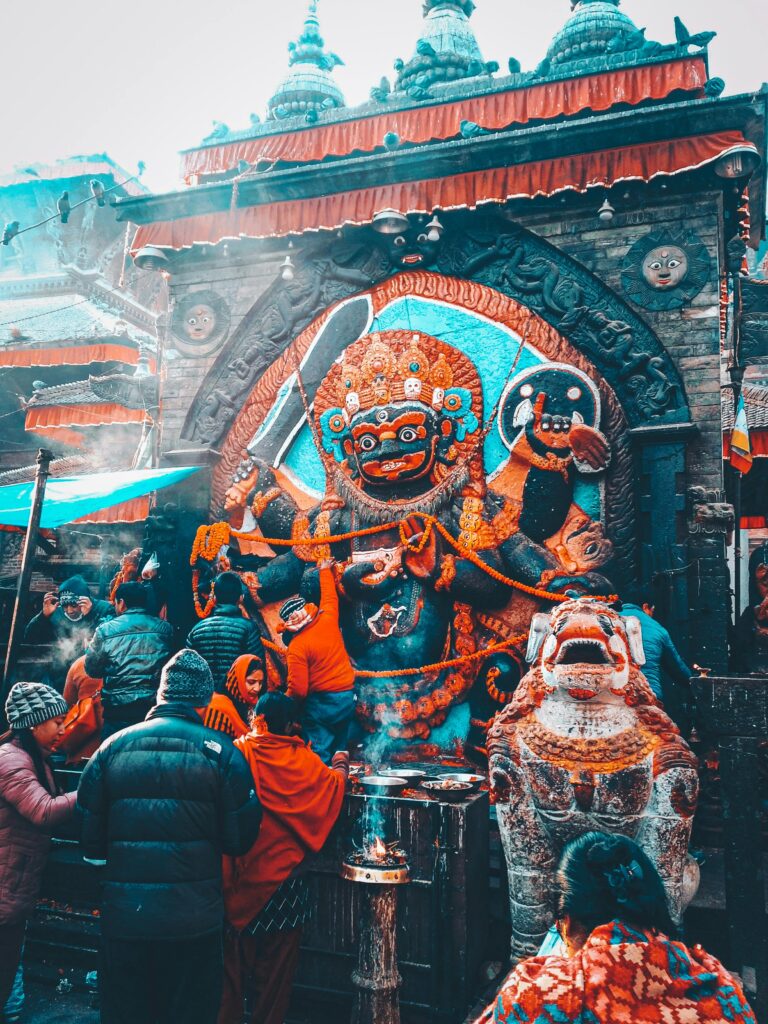
History of Kaal Bhairav Temple Varanasi Kaal Bhairav Temple Varanasi is one of the most powerful and spiritually significant temples in Kashi, known as the Kotwal (guardian) of the city. The actual history of Kaal Bhairav ​​Temple Varanasi is traced from the 16th century, though legends claim it’s swayambhu (self-manifested). Proper structure was built during the time of Raja Man Singh, but the power here is much older. According to Puranas, when Lord Shiva cut off the fifth head of Brahma ji from the Brahma-hatya dosh, then Kaal Bhairav ​​took that dosh as his own. That is why Kashi Kaal Bhairav ​​is considered the Kotwal (protector) of Kashi – every living being gets permission to enter/exit the city from here. Puranic Legends & Mythological Stories It is mentioned in Skanda Purana that Kaal Bhairav is a tantric form of Lord Shiva. According to a story, a Shudra devotee worshiped Brahma ji by mistake. Angered, Brahma cursed, but Kaal Bhairav saved the devotee and decided his karma. Shiva Mahapurana says – Kaal Bhairav judges the soul on its death in Kashi. If sin is less than salvation, then there is rebirth. That is why they are called the protectors of the people of Kashi. Temple Architecture & Unique Features The temple is comparatively small compared to Kashi Vishwanath, but extremely powerful energy. In the main sanctum there is a black stone idol – having 4 hands, trishul, damru, kapal and Varamudra visible. Unique cheese? Liquor offering – In Kashi there is hardly any temple where alcohol is being offered. Meat is also allowed here. Tantric yantras are carved on the walls. Silver face mask is on the statue during special occasions. Deity Description & Iconography Kaal Bhairav Temple Varanasi idol depicts: 4 fierce faces (4 directions protection) 8 hands holding weapons (trishul, khadga, damaru, etc.) Dog vehicle outside sanctum Skull mala around neck Tiger skin as asana His posture is in Ugra form – for destruction of evil forces. Eyes usually remain closed, but open on Kalashtami (belief). Rituals, Offerings & Traditions Daily rituals: Morning: Mangala aarti 5 AM Afternoon: Bhog 12 PM (meat included!) Evening: Evening aarti 7 PM Night: Shayam aarti 9 PM Special offers: Madira (alcohol) – the priest offers Meat (goat/mutton) black sesame seeds coconut water There is a 24-hour vigil on Kalashtami with tantric Havan. Spiritual Significance in Shaivism In Tantra Shaivism, Kaal Bhairav is considered the leader of Ashta Bhairav. Wow: God of time Karma judge of Kashi residents Tantra protector against black magic Moksha granter for pure souls Kaal Bhairav is believed to avoid planetary defects by following the Ashtakam path. Temple Location & Varanasi Connection Kaal Bhairav Temple located at Vishweshwarganj, 1.5km from Kashi Vishwanath Temple. Varanasi is located in the north-west direction from Godowlia on the map. Important: In any religious ceremony in Kashi, it is mandatory to give first invitation to Kaal Bhairav ​​as per tradition. Travel Information Darshan Timings: 5 AM – 10 PM daily (no break)Distance from landmarks: Kashi Vishwanath Temple: 1.5 km (20 min walk) Varanasi Airport: 25 km (45 min) Varanasi Junction Station: 6 km (20 min auto) Dashashwamedh Ghat: 2.5 km How to Reach: Airport: Prepaid taxi ₹800-1000 Station: Auto ₹150-200, e-rickshaw ₹100 From Vishwanath Temple: 20 min walk through galiyan Best Visit Time: Oct-Mar (Varanasi weather pleasant)Festival Peak: Kalashtami (Feb/Mar) – arrive early! Pro Tips: Carry exact change for offers Thursday evenings crowded Combine with Vishwanath darshan same day Photography allowed outside only Internal Links: [Kashi Vishwanath Temple], [Varanasi Temple Trail] External: UP Tourism  FAQs: About Kaal Bhairav Temple Varanasi Why is Kaal Bhairav famous in Varanasi news? Reasons to be Kashi’s Kotwal – city protector! Is Kaal Bhairav Temple Varanasi entry free? Yes, general darshan is free. How important is this in Places to visit in Varanasi? Top 5 spiritual sites included! Search More than 2 results are available in the PRO version (This notice is only visible to admin users) Recent Post Ratneshwar Mahadev Temple Varanasi Kashi Varanasi Travel Guide Kaal Bhairav Temple History & Origin Golden Temple Amritsar 2025 – History, Sunrise Tips, Langar & Festivals Jaipur, The Pink City: A Heartfelt Journey into Rajasthan’s Royal Gem Categeory List xyz new Popular Post Taj Mahal, Agra: A Journey Through Love, Stone, and Sunrise Golden Temple Amritsar 2025 – History, Sunrise Tips, Langar & Festivals Jaipur, The Pink City: A Heartfelt Journey into Rajasthan’s Royal Gem Kashi Varanasi Travel Guide Kaal Bhairav Temple History & Origin Custom Skins Premium Google Maps Map Marker Description for your location. Map Marker Description for your location. Map Marker Description for your location.

Kaal Bhairav Temple History & Origin Read More »

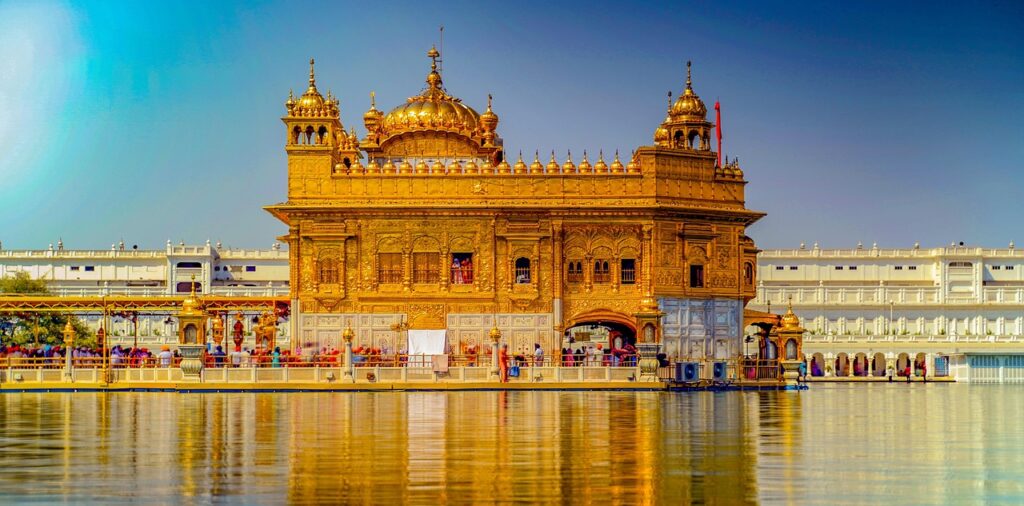
Golden Temple Amritsar reflecting in Sarovar at sunrise

Golden Temple Amritsar 2025 – History, Sunrise Tips, Langar & Festivals

Golden Temple Amritsar Travel Guide Maharaja Ranjit Singh and the Golden Cladding of Harmandir Sahib Golden Temple Amritsar, also known as Harmandir Sahib, is one of the most sacred and visited spiritual sites in India. The temple is managed by the Shiromani Gurdwara Parbandhak Committee, which oversees its daily religious activities, maintenance, and the famous langar service that feeds thousands of visitors every day. In the late 1500s, Guru Arjan Dev Ji set out to build a place unlike any other—a shrine where everyone, regardless of caste, creed, or country, could come together. The site was chosen for its peace, water, and ease of access. Centuries later, Maharaja Ranjit Singh, ruler of the Sikh Empire, had the upper floors and domes covered in real gold. If you see the temple glowing against a sunrise, that glitter is genuine—sainchī sonā (“pure gold”), as they say in Punjabi. History of Golden Temple Amritsar The History and Heritage of the Golden Temple in Amritsar The Golden Temple in Amritsar—Harmandir Sahib to locals—has been the spiritual center of Punjab for centuries. Gold glints from its domes even on cloudy days, while the Sarovar (holy pool) stays calm no matter the crowd. Visitors come from every continent—some to pray, some to learn, some just to sit quietly by the water’s edge. No one is turned away—seva(selfless service) and sangat (community) are the rule. Guru Ram Das Ji began Amritsar as a city of peace and faith. Guru Arjan Dev Ji designed the temple with four open doors—uttar, dakhin, purb, paschim (north, south, east, west)—so everyone, from any faith or country, could walk in. That tradition of sarbat da bhala (well-being for all) continues today. The Golden Temple waits—sabh lai khula—open for all. Why Golden Temple is Famous Storms, wars, and time have tested the Golden Temple Amritsar. Yet, through each loss, the Sikh community has rebuilt—stone by stone, dome by dome—with donations, volunteer work, and undimmed spirit. This is not only a sacred site but a daily living lesson in seva (selfless service), bhaṇḍārā (community kitchen), and sarbat da bhala (“well-being for all”). Why Golden Temple is Famous Exploring the Sacred Sarovar at the Golden Temple Harmandir Sahib: The golden shrine at the center, surrounded by clean, cool water—Sarovar—and linked by a marble walkway (parikrama). Akal Takht: In Punjabi, Takht means “throne.” This is the highest seat of temporal authority in Sikhism. Sikh Museum: Displays the parchaar (history) of the faith, artifacts, and the temple’s journey. Darshani Deori: The main gate, where you’ll step inside, covering your head, leaving shoes behind, and washing hands and feet—charḥṇī—a tradition of cleanliness and respect. Sarovar The Sarovar—holy pool—is not just for reflection (in water and mind), but also a place for a slow, thoughtful walk (parkikarma). At dawn and dusk, the gold and marble glow in perfect mirror images, a favorite for golden temple images. Golden Temple Timings Golden Temple Amritsar Opening Hours and Best Visiting Times Golden temple timings: Open 24 hours. Early mornings (pratah), evenings (shām), and nights (rātri) each have their own mood and light. Entry: No fee. No booking. Just sevā (service) and respect. Dress: Modest clothes, head covered (scarves—rumāl—provided if needed), bare feet inside. In Punjabi, this tradition is called sir ūpē sohṇā (to cover the head for respect). Photography: Chitter khedna (snapping photos) is fine outside, but not inside Sachkhand—the main prayer hall. Best months: October to March (siālā—winter, most pleasant). Summer (garmī) is fierce; monsoon (barsāt) brings rain. Langar at Golden Temple The langar is a free kitchen serving roti (bread), kheer (rice pudding), dal (lentils), and Sabzi (vegetables) to all—prasaad (blessed food), no questions asked. Every day, sardars (volunteers)—young, old, men, women—serve thousands, in a lesson of naam japo, kirat karō, vand chakhō (meditate, work, and share). Things to Know Before Visiting Silence in prayer areas—respect the ardās (prayer). Wash hands and feet—hath-dhōnā, paaṝā-dhōnā—before entry. No alcohol/tobacco inside. Cleanliness is key—swachh safāī is a core value. Major Festivals Celebrated at the Golden Temple Amritsar: Diwali and Vaisakhi Diwali: Thousands of lamps (diyar) light up the Sarovar. Fireworks, sweets, and prayers turn Amritsar into a city of joy. Vaisakhi: In April, processions, gidda (dance), dhol (drum) beats, and community feasts mark the harvest and the founding of the Khalsa. Weekly Gurbanis—hymns and recitations—fill the air, especially on Sundays (aitvar). Exploring Local Cuisine Near Golden Temple Amritsar Amritsari Cuisine Amritsari kulcha Amritsari kulcha—stuffed, crispy bread with spicy chole (chickpeas). Pair with lassi (thick sweet yogurt), or chur chur naan (crunchy bread). These dishes are a perfect way to enjoy rich Punjabi flavors while wandering near the Golden Temple. Gurdwara wali lassi Gurdwara wali lassi—lassi shops near the temple serve the city’s best. Made fresh every day with traditional methods, this creamy drink cools visitors from the heat while offering a taste of local hospitality and culture. Sweets jalebi, gajar da halwa (carrot sweet)—try them from galiān (street stalls). The aroma of these sweets fills the narrow streets, inviting visitors to experience authentic Amritsari treats that have been loved for generations. Who can visit the Golden Temple Amritsar? Harmandir Sahib welcomes everyone—sarbat da bhala is the spirit. No matter your faith, language, or nation, you are invited to walk, pray, and share food at the langar. The tradition of seva and sangat (community) is for all. Is there an entry fee? never any charge to enter. Donations (dān) are optional, always voluntary. What are the golden temple timings? The gates never close. Early morning (pratah) and evening (sham) offer peaceful moments. For golden temple photos, sunrise and sunset are best Can people of all faiths eat at the langar? Absolutely. The sangat (community) includes visitors, pilgrims, students, travelers, and neighbors. Join in serving (seva), or just quietly eat and reflect. Is it safe? Yes, it’s a very safe place for families and solo travellers. Why Visit the Golden Temple Amritsar? This isn’t just a tourist spot. It’s a place to see how a simple idea—that everyone is equal—can shape a beautiful building and daily life. You leave feeling better, less stressed, and maybe a little more hopeful about people. Search More than 2 results are available in the PRO version (This notice is only visible to admin users) Recent Post Kaal Bhairav Temple History & Origin Golden Temple Amritsar 2025 – History, Sunrise Tips, Langar & Festivals Jaipur, The Pink City: A Heartfelt Journey into Rajasthan’s Royal Gem Taj Mahal, Agra: A Journey Through Love,

Golden Temple Amritsar 2025 – History, Sunrise Tips, Langar & Festivals Read More »

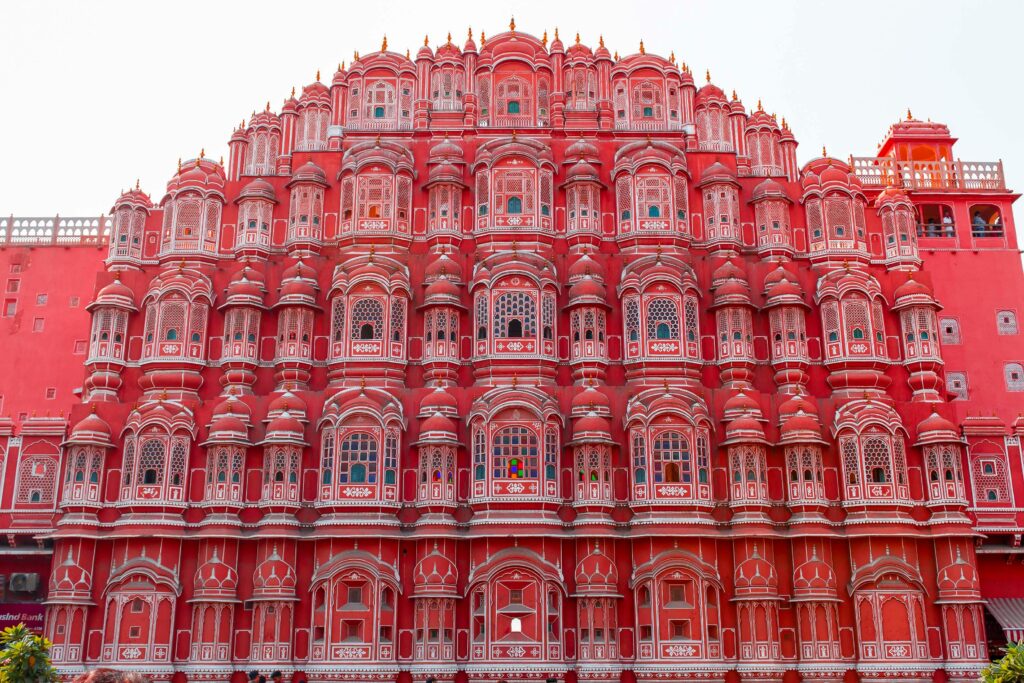
Jaipur Pink City street view with traditional pink buildings at sunrise

Jaipur, The Pink City: A Heartfelt Journey into Rajasthan’s Royal Gem

Jaipur, The Pink City: A Heartfelt Journey into Rajasthan’s Royal Gem Let me tell you about Jaipur Pink City—this city doesn’t just greet you; it pulls you in with its rosy glow and lively streets. The moment I stepped into the Pink City, I felt like I had landed inside a storybook painted in warm shades of pink and orange. And trust me, those colors aren’t just paint—they’re history, tradition, and a whole lot of hospitality rolled into one. Why Jaipur Pink City Is Famous in History Here’s the little secret: back in 1876, the entire old city was painted pink to welcome the Prince of Wales. Pink, in India, means hospitality—and nothing says “welcome” like a whole city blushing in your honor! Even today, the old city’s buildings keep their pink coat, lovingly refreshed by workers who walk these streets daily. Honestly, it feels like the city itself is breathing. What you absolutely can’t miss here Amber Fort Imagine a fortress so grand that it looks like it belongs in a fantasy movie—and then realize it’s all real. Amber Fort sits atop a hill, overlooking a serene lake, with maze-like halls, glistening mirror work, and sprawling courtyards. I spent hours wandering, marveling at the details. Bonus tip? The evening light-and-sound show adds an unforgettable layer of magic. Hawa Mahal—The Palace of Winds I swear, its lattice windows have a personality of their own! Built with a thousand tiny windows (jharokhas), Hawa Mahal allowed royal ladies to watch the street festivities without being seen. I snuck a peek through one of those windows—couldn’t resist! The early morning soft light bouncing off its pink facade? Pure Instagram gold. City Palace Still home to Jaipur’s royal family, City Palace is a blend of history, art, and vibrant colors. You can get lost in its winding corridors and dream of kings and queens. The Peacock Gate alone, with its colorful mosaic, might steal your heart. Jantar Mantar For all of us who love space and stars, this place will surprise you. It’s the largest stone astronomy observatory ever built. The massive instruments look like sculptures, but they’re actually some serious science from centuries ago. When’s the best time to visit Pink City? Honestly, stick to October through March, when the weather’s just right. Summer here? You’ll be seriously sweating! The city’s festivals are a blast—especially the Jaipur Literature Festival in January and the colorful Teej festival during monsoon—but beware of the crowds. How can you get there? Fly in: Jaipur Airport connects well to Delhi and Mumbai. Take a train: Loved the train ride—it feels like a mini adventure through India’s heartland. Drive from Delhi: About 5–6 hours on a scenic highway they call the Golden Triangle route. Once inside Jaipur, hop in a bright orange auto-rickshaw, order an Ola or Uber, or just walk around and soak it all in. Ticket prices—what to expect Place Indian (₹) Foreigners (₹) Notes Amber Fort 100 550 Light/sound show extra City Palace 200–300 700–1000 Museum tickets separate Hawa Mahal 50 200 Only the façade Jantar Mantar 50 200     Pro Tip: Always snag your tickets directly from official counters or websites. Avoid the roadside touts—they’re not your friends. What markets and foods will wow you? Catch your breath in Johari Bazaar, sparkling with dazzling jewelry. Or wander through Tripolia Bazaar and see craftsmen at work on beautiful fabrics and brass goods. And when hunger strikes, street food like stuffed kachoris or sweet ghewar will keep your energy up. A few insider tips Your feet will thank you if you wear comfy shoes. Mornings are your best friend—for light, fewer crowds, cooler air. Don’t shy away from a bit of bargaining in bazaars; it’s part of the fun! Sunscreen and water bottle—two essentials on hot days. Chat with locals; they’ll often share places your guidebooks don’t mention. Some FAQs that pop up often Is Jaipur safe? Yes, absolutely. It’s tourist-friendly, but usual travel common sense applies. How much time to spend here? If you can, spend 3-4 days to really soak up the city’s charm. Need a guide? You can explore solo, but a local guide at Amber Fort or City Palace can unlock stories you’d miss otherwise. The Last Word on Jaipur pink city This city has a way of hanging on to your heart. The mix of colors, history, food, and friendly faces won’t just fill your camera roll—they’ll fill your memories. So, come with an open mind and a curious heart. Jaipur will greet you like an old friend. Search More than 2 results are available in the PRO version (This notice is only visible to admin users) Recent Post Ratneshwar Mahadev Temple Varanasi Kashi Varanasi Travel Guide Kaal Bhairav Temple History & Origin Golden Temple Amritsar 2025 – History, Sunrise Tips, Langar & Festivals Jaipur, The Pink City: A Heartfelt Journey into Rajasthan’s Royal Gem Categeory List xyz new Popular Post Taj Mahal, Agra: A Journey Through Love, Stone, and Sunrise Golden Temple Amritsar 2025 – History, Sunrise Tips, Langar & Festivals Jaipur, The Pink City: A Heartfelt Journey into Rajasthan’s Royal Gem Kashi Varanasi Travel Guide Kaal Bhairav Temple History & Origin

Jaipur, The Pink City: A Heartfelt Journey into Rajasthan’s Royal Gem Read More »

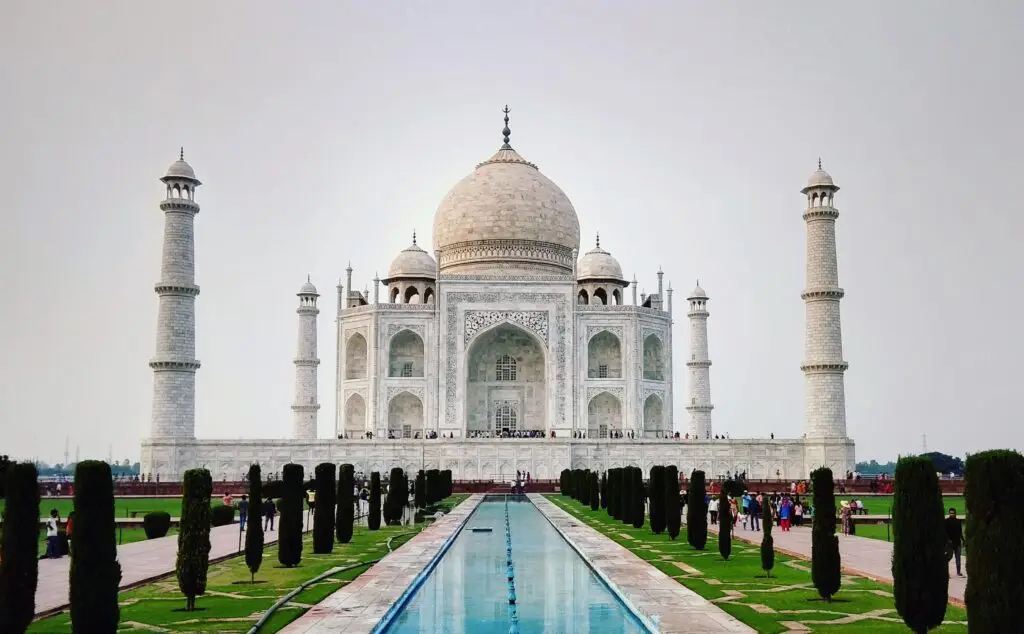
Taj Mahal, Agra: A Journey Through Love, Stone, and Sunrise

Taj Mahal, Agra: A Journey Through Love, Stone, and Sunrise

Taj Mahal, Agra: A Journey Through Love, Stone, and Sunrise There’s something about the Taj Mahal that lingers long after you leave. Maybe it’s the way the marble catches the morning light, or the way the gardens seem to hum with centuries of whispers. I’ll never forget the first time I walked through those gates—half-asleep, chai in hand, a cool breeze cutting through Agra’s usual heat. The Taj Mahal isn’t just something you see; it’s something you feel. A Palace of Love and Loss The Taj Mahal’s story is as beautiful as its arches. Mughal Emperor Shah Jahan built this place for his favorite wife, Mumtaz Mahal. It took over 20,000 workers nearly two decades to carve, polish, and paint every inch. It’s not just a building; it’s a heartbreak turned into something everlasting. Funny thing—while most people talk about the white marble, I love the way the minarets are angled. They actually tilt outward, so if there’s ever an earthquake, they’ll fall away from the main dome. Smart, and a little bit sad, if you think about it. When to Visit: Dawn, Dusk, and Dusty Noon If you can, go between October and March. Agra in the summer is no joke—just trust me on that. Sunrise is best for photos and for avoiding the crowds. The locals know it, too—come early, and you’ll share the marble with just the birds and the guards. If you show up on a Friday (when the Taj is closed), you’ll have to console yourself with Agra’s famous breakfast jalebi and chai. Not a bad trade, honestly. Getting There: Trains, Taxis, and City Sights From Delhi, the Gatimaan Express is your best bet. Comfortable, fast, and you’ll be at Agra Cantt before you’ve finished your breakfast. If you’d rather drive, the Yamuna Expressway is smooth, but don’t forget to roll down the window and breathe in the rhythm of small-town India shifting to city bustle. Agra’s streets are chaos and color, rickshaws dodging cows, fruit sellers calling out, and the distant hum of tuk-tuks. The city isn’t just a backdrop—it’s part of the experience. Tickets, Timings, and a Few Real Talk Tips Open every day from sunrise to sunset, except Fridays. Tip: Book tickets through the official ASI website. The touts outside may be friendly, but the official booth is always safer What to Do (Besides Stare, Walk, and Stare Again) The main mausoleum is breathtaking, but don’t skip the mosque and guest house on either side. The contrast of red sandstone and marble is something cameras don’t do justice to. For the best sunset photos, cross the Yamuna River to Mehtab Bagh. It’s a short walk or a quick rickshaw ride, and the Taj Mahal reflected in the water is something you’ll want to remember. The Charbagh gardens are my favorite. They’re designed to look like paradise, and on a quiet morning, it almost feels true. **If you’re hungry, try Agra’s famous Petha—**it’s sweet enough to make your teeth ache, but it’s tradition. Tips from Someone Who’s Been There Wear comfortable shoes. You’ll walk more than you think. Bring water. Agra’s heat doesn’t play fair. Take your time. Let the place sink in. The crowds thin out if you’re patient. Be respectful. This is a real place to real people, not just a postcard. Quick Answers to Common Questions Can you take photos? Of course. Leave the tripods and drones at home, though. Wheelchair access? There are ramps and helpers. Guided tours? Yes, official guides and audio tours are easy to find. The Real Magic of the Taj Mahal It’s not just about the marble, the minarets, or even the story. It’s about standing there, eyes up, feeling small and part of something huge at the same time. You come for the photos, you stay for the quiet, and you leave with something you can’t quite name. Search More than 2 results are available in the PRO version (This notice is only visible to admin users) Recent Post Golden Temple Amritsar 2025 – History, Sunrise Tips, Langar & Festivals Jaipur, The Pink City: A Heartfelt Journey into Rajasthan’s Royal Gem Taj Mahal, Agra: A Journey Through Love, Stone, and Sunrise Categeory List xyz new Popular Post Taj Mahal, Agra: A Journey Through Love, Stone, and Sunrise Golden Temple Amritsar 2025 – History, Sunrise Tips, Langar & Festivals Jaipur, The Pink City: A Heartfelt Journey into Rajasthan’s Royal Gem

Taj Mahal, Agra: A Journey Through Love, Stone, and Sunrise Read More »